
Reviewed · KEY WEST MUSEUMS & HISTORIC SITES
Sails to Rails Museum Admission
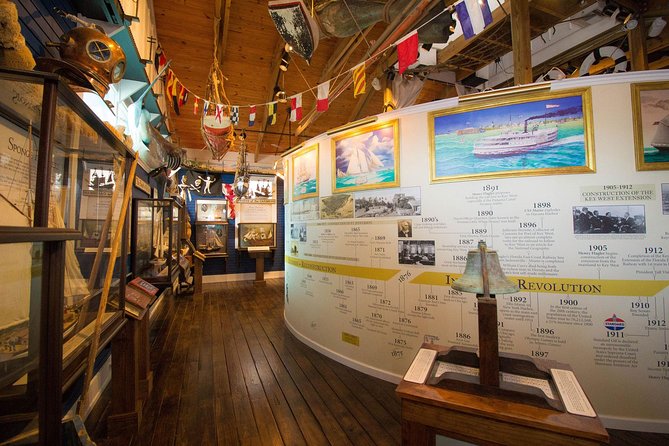
A Key West detour with big story energy. This small museum admission maps the Age of Sail to the railroad over the ocean era, all in one focused visit. You start with ships and sea dangers that shaped the Caribbean and Florida Keys, then you work your way toward how railroads changed the frontier.
Two things I like a lot are the chance to see inside the Maggie Atwell House and the way the exhibits connect sea trade, piracy fears, and treasure stories to the engineering effort of the Florida East Coast. One thing to consider: this is a straightforward museum admission, so if you want a live, chatty guide holding your hand through every room, you may find it more self-driven than tour-like.
In This Review
- Key Points You Should Know Before You Go
- Sails to Rails at Flagler Station: What the Ticket Actually Buys
- Entering Flagler Station and the Age of Sail Storyline
- The Maggie Atwell House: Why One Wooden Building Matters
- Men Who Built a Railroad Over the Ocean: The “Rails” Half
- Self-Guided and Not Too Long: How to Fit It Into Your Day
- Price, Group Size, and Getting There Without Stress
- Best For: Who Will Enjoy This Most
- Should You Book Sails to Rails Museum Admission?
- FAQ
- How much is admission for Sails to Rails Museum?
- How long does the museum visit take?
- Is the ticket mobile, and what language is it in?
- Is transportation to and from the museum included?
- How big is the group size?
- Are service animals allowed?
Key Points You Should Know Before You Go
- Sea-to-rails storyline in one visit: follow Key West’s shift from ships to railroads without bouncing between attractions
- Maggie Atwell House access: see the interior of the only remaining wooden structure built by the FEC
- Florida Keys and Key West history, simplified: from 1500s sailing to early 1900s railroad expansion
- Self-guided pace: perfect when you want a calm stop and to take breaks from the heat
- Good for all ages: history-friendly for kids and adults, with displays that work at different attention spans
- Low price for a full stop: admission at $10.75 per person with no add-ons required
Sails to Rails at Flagler Station: What the Ticket Actually Buys
For $10.75 per person, you’re not buying a bus ride or a scripted “watch-and-follow” experience. You’re buying admission to the Sails to Rails Museum at Flagler Station, and that’s it. The simple setup is part of the value: you can plan this as a practical checkpoint in your Key West day rather than another complicated activity.
The experience runs roughly 1 minute to 1 hour (it depends how closely you read and how many areas catch your eye). Because it’s self-paced and self-guided, you’re in control of the time. If you’re the type who skims to get the big picture, you can do a quick circuit. If you like reading and looking closely at details, you can slow down.
One more practical note: the ticket is mobile, and the museum operates in English. That makes it easy to use on the spot without hunting for printed vouchers.
More of the wreckers, sponge divers and salvage kings, indoors


Entering Flagler Station and the Age of Sail Storyline
Your visit starts with the “sails” half of the story, and it’s built around the Caribbean, Gulf of Mexico, and Florida Keys waters from the 1500s through the early 1900s. The museum frames this as more than just scenery. It’s about what moved through these waters: Spanish galleons loaded with treasure, merchant ships, and feared pirates.
That setup matters because it gives you context for why Key West’s history is so tied to sea routes. Instead of treating Key West as an isolated island town, you see it as a stop in a wider network where wealth, danger, and commerce all collided. If you’ve walked around Key West and wondered why the history feels so ocean-shaped, this is where the pieces connect.
In practical terms, expect to spend time taking in the atmosphere of the exhibits: you’re essentially building a timeline as you move through the display areas. It’s the kind of museum stop that helps you get your bearings fast, especially if you’re doing multiple history sites in one day.
The Maggie Atwell House: Why One Wooden Building Matters
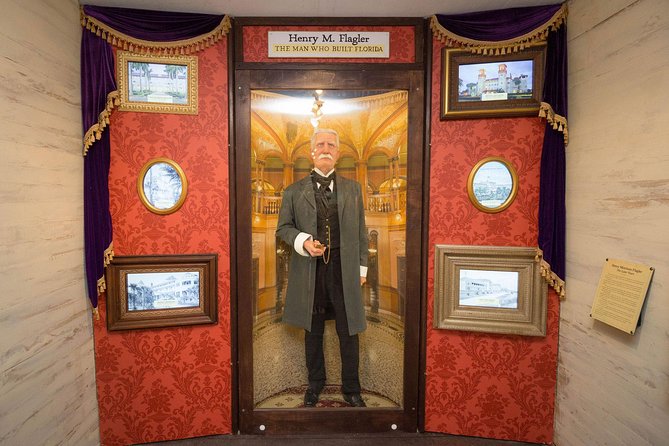
One of the strongest reasons to go is the chance to see inside the Maggie Atwell House. The museum highlights it as the only remaining wooden structure built by the Florida East Coast (FEC). That detail is the sort of thing you rarely get in a small museum, and it makes the visit feel more physical and grounded.
Why it matters: railroads can sound abstract until you attach them to real people and real buildings. Seeing the interior helps you stop thinking only in terms of tracks, dates, and engineering. You start thinking about who lived with the results of those big projects and how the built environment carried the railroad era forward.
This also makes the museum good for mixed groups. If you’re going with someone who prefers architecture or “real places,” this is a concrete highlight. If you’re going with kids, the house aspect gives the history a tangible shape, not just text on walls.
Men Who Built a Railroad Over the Ocean: The “Rails” Half
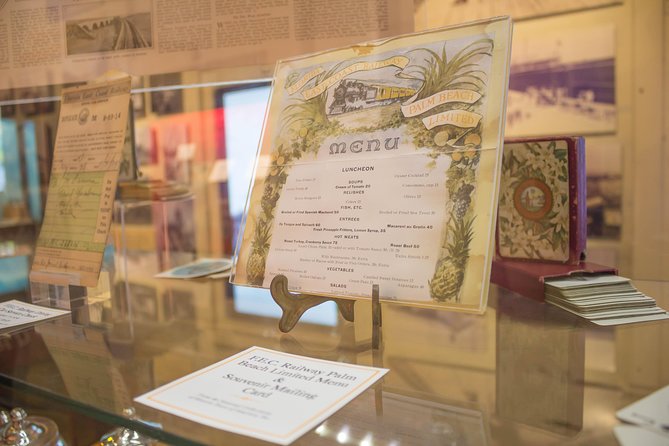
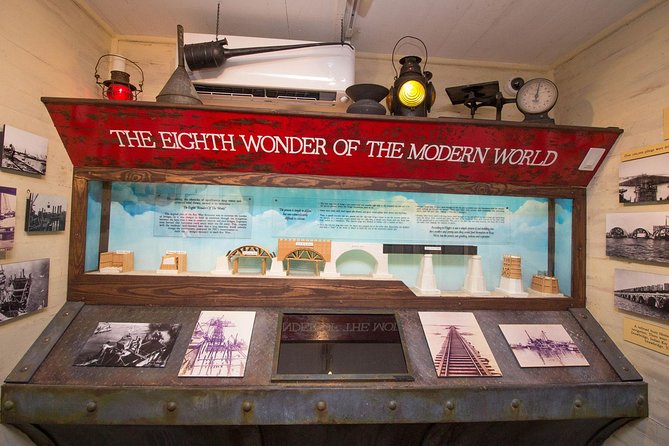
After the sea story, the exhibits shift to railroads and frontier change. The museum specifically focuses on the men who built a railroad over the ocean, and it places that work in the broader story of the emerging nation opening up and extending access to places that used to be harder to reach.
This is where the museum earns its sea-to-rails identity. You’re not switching to a random transportation exhibit. You’re watching the story evolve: from ships moving through risky waters to railroads reshaping how people and goods could move.
Even if you don’t usually think about transportation history, it’s an interesting angle because Key West’s location makes the “ocean problem” unavoidable. The idea of building rail infrastructure that connects across water forces you to connect the local story to the bigger national push for expansion. You finish this section with a better sense of how Key West fit into changing routes and evolving economic needs.
Self-Guided and Not Too Long: How to Fit It Into Your Day
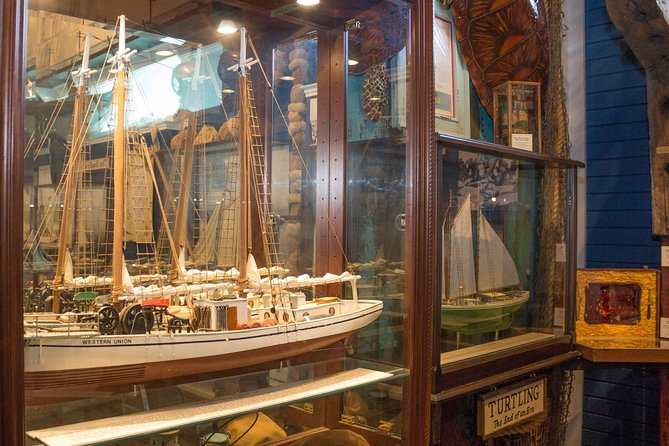
A lot of Key West days are a balancing act: sun, walking, and juggling a few stops before you melt. This museum works well as a time-controlled break because the visit fits into that wide window of about 1 minute to 1 hour.
In other words, it’s flexible. You can pop in when you need shade, or you can plan it as a structured block and spend time reading. The fact that it’s self-guided is a big deal for value. You don’t have to worry about missing a guide or being rushed at the last second.
From the experience’s general vibe, it’s also friendly for all ages. That doesn’t mean every kid will sit through every panel. It means there are enough entry points—ships, pirates/merchant stories, then railroads and the house—that different interests can find something.
One possible drawback is exactly that self-guided style: the museum experience depends on your willingness to read and look. If you prefer someone narrating and answering questions on the spot, you might wish for more human interaction.






Price, Group Size, and Getting There Without Stress
Here’s the practical picture:
- Cost: $10.75 per person, admission included
- Group size cap: maximum 14 travelers, so it stays manageable
- Language: English
- Ticket type: mobile ticket
- Getting there: near public transportation
- Transportation to/from: not included
That last point matters. If you’re planning this as part of a bigger day, assume you’ll handle getting yourself there and back. The good news is that the museum is near public transportation, so you’re not stuck needing a specific vehicle.
The small group cap also helps the experience feel calmer. Even though it’s not a guided tour, the museum environment is less chaotic when you’re not fighting big crowds for space to read and look.
As for value: for the price of a single basic activity in Key West, you’re getting a multi-era story with a real interior visit (the Maggie Atwell House). It’s a good trade when you want history that connects sea routes and railroads instead of treating them like separate trivia stops.
Best For: Who Will Enjoy This Most
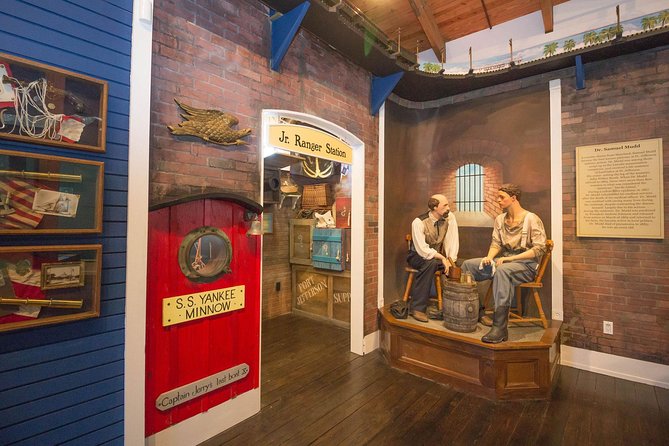
This is the right kind of museum admission if you:
- want an easy indoor break during a warm Key West day
- like history that connects locations, not just dates
- enjoy self-paced visits where you decide what to focus on
- want something that can work for adults and kids
It may not be the best fit if you want a high-energy, interactive, hands-on experience with lots of structured programming. This is more about walking through exhibits and learning from what’s on display.
Should You Book Sails to Rails Museum Admission?
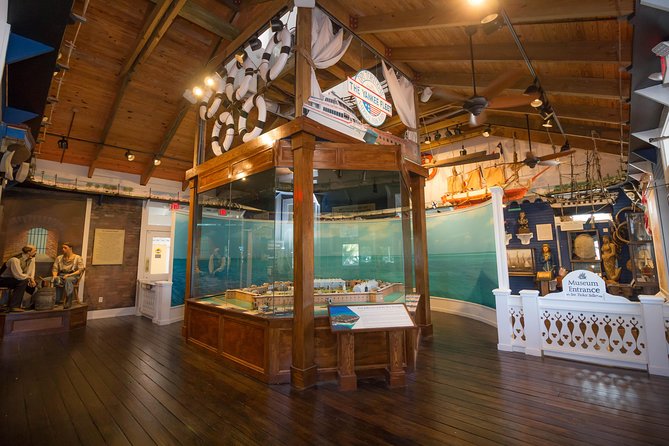
If you’re the kind of person who likes understanding how Key West got its shape, this is an easy yes. For $10.75, you get a sea-to-rails storyline, access to the Maggie Atwell House, and a museum visit that can be short or slow depending on your mood.
I’d book it when:
- you want a history stop that doesn’t take over your whole day
- you’re pairing multiple Key West sights and need a solid anchor
- you want shade and air while still learning something meaningful
FAQ
How much is admission for Sails to Rails Museum?
Admission is $10.75 per person, and the ticket includes museum entry.
How long does the museum visit take?
The experience runs from about 1 minute to 1 hour, depending on how much time you spend in the exhibits.
Is the ticket mobile, and what language is it in?
Yes, you get a mobile ticket. The experience is offered in English.
Is transportation to and from the museum included?
No. Transportation to and from the attraction isn’t included.
How big is the group size?
The museum admission experience has a maximum of 14 travelers.
Are service animals allowed?
Yes, service animals are allowed.
More Key West Tour Reviews
More Key West History, Indoors



Fresh Off the Dock: The Newest Key West Reviews











Key West Museums & Historic Sites, compared.
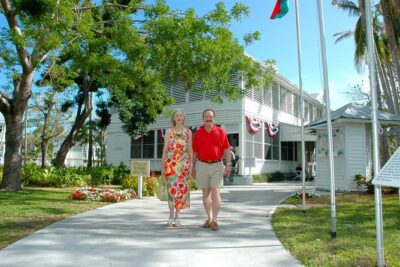 ★ 4.5Harry S Truman Little White House AdmissionFrom $25451 reviews
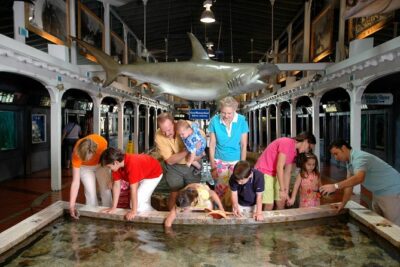 ★ 3.5Key West Aquarium AdmissionFrom $22153 reviews
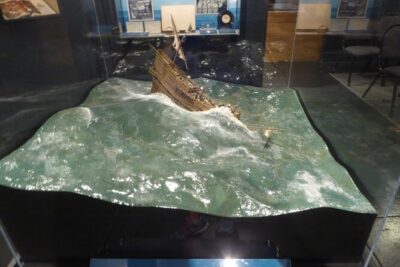 ★ 4.0Mel Fisher Maritime Museum Admission TicketFrom $17126 reviews
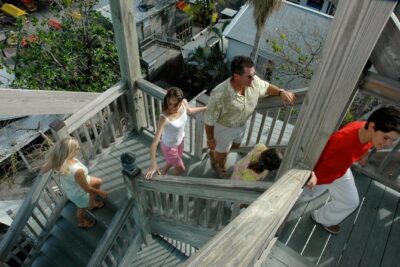 ★ 4.0Key West Shipwreck Treasure Museum AdmissionFrom $19100 reviews
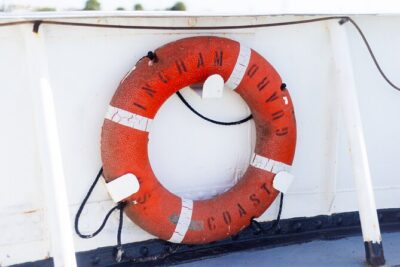 ★ 5.0Key West USCGC INGHAM Maritime MuseumFrom $2379 reviews
 ★ 4.9Truman Little White House Guided Tour TicketFrom $2557 reviews
 ★ 4.5Skip the Line: Mel Fisher Maritime Museum Admission Ticket and Audio TourFrom $1929 reviews
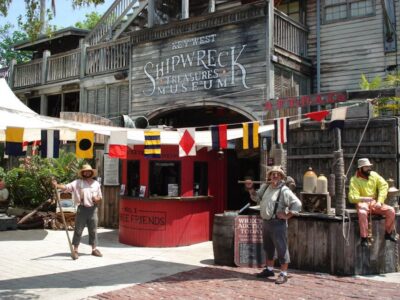 ★ 4.3Key West Shipwreck Treasure Museum TicketsFrom $1927 reviews
Browse the lists this tour appears in