
Reviewed · KEY WEST MUSEUMS & HISTORIC SITES
Mel Fisher Maritime Museum Admission Ticket
Treasure stories come with paperwork. This admission gives you Key West’s major museum experience, centered on Mel Fisher and the real-world fight to keep shipwreck finds in American hands, all the way to the US Supreme Court. You’ll also walk straight into the Spanish Treasure Galleons galleries, where the bling looks shockingly real.
I especially love two things here. First, the recovered objects feel physical and specific—coins, jewelry, plates, goblets, and bullion laid out in a way you can actually follow. Second, the museum doesn’t stop at money; the Slave Ship and Key West African Cemetery exhibits force you to face the human cost tied to the same maritime routes.
One drawback to plan for: it’s built for a shorter visit—about 1 to 2 hours—so if you want a long, hands-on program, you may finish quickly and feel you could’ve watched more at home.
In This Review
- Key things to know before you go
- Why Mel Fisher’s Story Works So Well in Key West
- Price and Time: Does $17.50 Feel Fair?
- The Entrance-to-Treasure Route: How the Museum Feels as You Walk
- Spanish Treasure Galleons Galleries: The Real Wow Factor
- Mel Fisher’s Fight to Keep the Finds: Treasure Meets the Law
- Henrietta Marie: 1699, 1972, and the Slow Work of Excavation
- Slave Ship and Key West African Cemetery Exhibits: Hard Facts, Clear Focus
- Pirates, Coins in the New World, and the Science of Shipwrecks
- Making It Work on a Short Key West Day
- Should You Book This Ticket?
- FAQ
- How long does the Mel Fisher Maritime Museum admission last?
- Where is the museum located?
- What is included in the $17.50 ticket?
- Is a DVD included?
- What language is the experience offered in?
- When is the museum open?
- Can I cancel for a refund?
- Is the ticket valid more than once?
Key things to know before you go

- US Supreme Court fight: you’ll see how the treasure became a legal battle, not just a legend
- Spanish Treasure Galleons galleries: focus on gold, silver, and jewels recovered from the Florida coast
- Henrietta Marie relics: an English merchant slave ship dating to 1699, found in 1972 with later excavation
- Slave Ship + Key West African Cemetery exhibits: hard subject matter, presented clearly
- Shipwreck science and conservation: including a chance for lab tours tied to ongoing recovery work
- Good chair coverage: you can pause without turning your museum visit into a standing-only ordeal
Why Mel Fisher’s Story Works So Well in Key West
Key West is good at two things: water stories and tall tales. The Mel Fisher Maritime Museum takes the tall tale part and forces it into the real world—dates, artifacts, ship names, and the long legal grind that came after the finds.
I like how the museum frames Mel Fisher as more than a character. It shows him battling with the government to keep the artifacts they discovered. That struggle went all the way to the US Supreme Court, which makes the whole treasure-hunt narrative feel grounded, not just cinematic.
Then the galleries do the simple magic trick: they put you in front of the stuff itself. You’re not just reading about what was recovered—you’re looking at recovered materials and learning what they were, where they came from, and how they were treated once they hit land.
If you enjoy museums that mix storytelling with objects you can name and compare, you’ll probably feel satisfied before you even leave.
More of the wreckers, sponge divers and salvage kings, indoors


Price and Time: Does $17.50 Feel Fair?
The ticket price is $17.50 per person, and the visit is about 1 to 2 hours. That time window matters because it keeps expectations in check. This isn’t an all-day wandering museum. It’s a focused route through shipwreck treasures and related history.
For value, I judge it by two things: density of memorable stops and clarity of presentation. Based on what the museum covers—multiple galleries, shipwreck relics, and thought-provoking exhibits—it packs a lot into a short visit. Some people also liked having a clear, sequential flow that keeps you from feeling lost.
If you’re the type who likes to linger over every label and you plan to use extra time for lab-related conservation stops, lean toward the high end of the time range. If you skim thoughtfully but stay moving, the low end is realistic.
The Entrance-to-Treasure Route: How the Museum Feels as You Walk
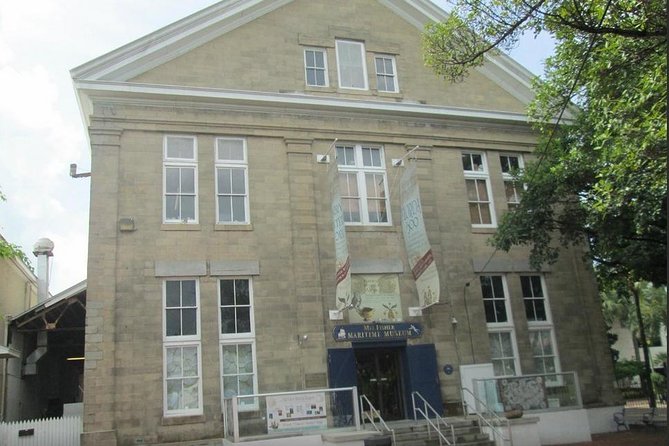
You’ll start at Mel Fisher Maritime Heritage Museum, where the story begins with the real-life quest and the legal fight behind it. The museum doesn’t treat the Supreme Court battle as trivia. It uses it to explain why ownership, authority, and archaeology matter, even when the headlines are about gold.
From there, the galleries move into recovered treasures, with the presentation designed to follow the theme of discovery. You can walk the route at your pace, stopping where a display grabs your attention—then continuing when you’re ready.
One practical note: the museum has seating available, which makes a difference if you’re visiting with parents or you simply want a break now and then. The pacing works best if you accept it as a “walk, read, and look” museum rather than a “sit and watch everything” museum.
Spanish Treasure Galleons Galleries: The Real Wow Factor
This is the part most people picture when they think Mel Fisher. The museum highlights the Spanish Treasure Galleons galleries, centered on what was recovered: gold, silver, and jewels tied to shipwrecks from the Florida coast.
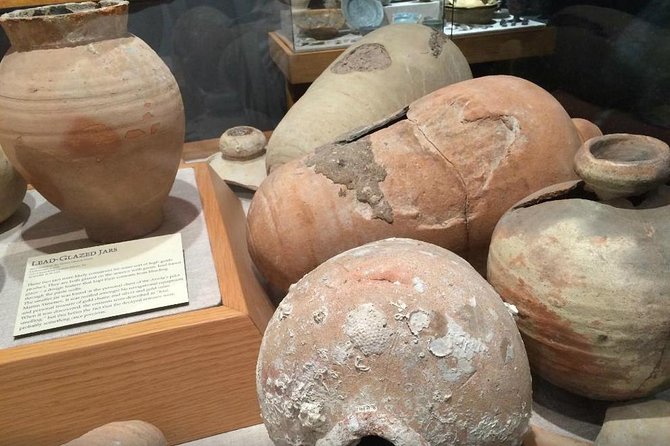
What I like here is how the objects are presented so you can make sense of them. The displays often group related items together, so you’re not staring at isolated pieces without context. You’ll see the kind of items that make pirate myths feel silly and real at the same time—coins and precious metal artifacts that show how wealth actually traveled by sea.
Some visitors specifically mention enjoying how the museum lines things up in order and makes it easier to follow the story. That matters. A museum can have great objects, but if the layout is random, you lose the thread.
Here, you’re more likely to leave thinking: I understood what these were, why they mattered, and how they connected to shipwreck recovery.
Mel Fisher’s Fight to Keep the Finds: Treasure Meets the Law
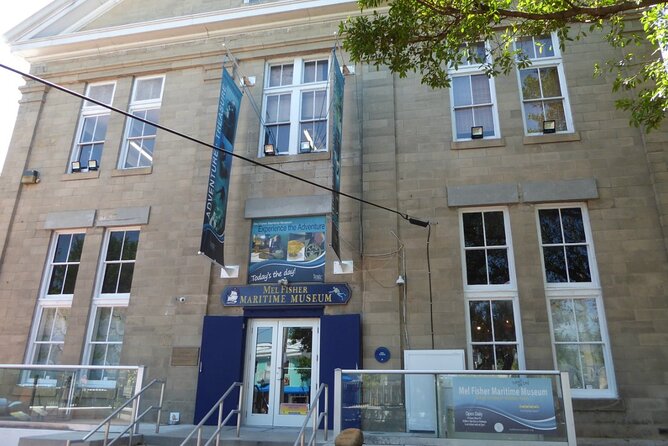
Treasure hunting sounds like freedom until you remember there are rules. In this museum, that tension is the hook.
The story zeroes in on Mel Fisher’s battles with the government to retain artifacts they found. The fact that it reached the US Supreme Court gives the whole saga a civic and legal dimension you usually don’t see in a treasure display.
Why that’s worth your time: it changes how you interpret everything else. When you learn that recovery isn’t just about finding objects, you start noticing the museum’s deeper message about stewardship—how finds are documented, protected, conserved, and assigned meaning.
You also get a reminder that history is often shaped by institutions as much as by adventurers. That’s the kind of context that makes a visit feel more useful than just “pretty metal on shelves.”
More Key West tickets and passes


Henrietta Marie: 1699, 1972, and the Slow Work of Excavation
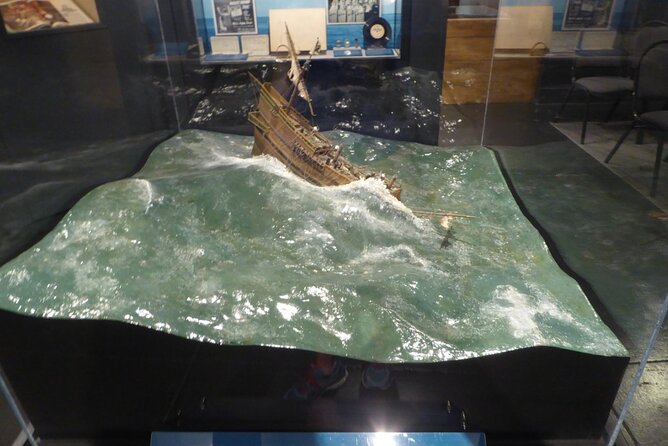
The museum includes relics from the Henrietta Marie, described as an English merchant slave ship from 1699. You’ll learn about the shipwreck discovery in 1972, plus the timeline of recovery: it was only partially excavated at first, with more excavation happening years later.
That sequence—the discovery date and the slower excavation afterward—helps you understand why shipwreck research is never instant. Underwater archaeology is slow by necessity. It takes time to document, conserve, and interpret.
This section also makes the museum feel more “real museum” and less “movie set.” The wreck story is part of how you think about the objects you’re seeing. You’re not only learning what came out of the sea; you’re learning why the process took time.
Slave Ship and Key West African Cemetery Exhibits: Hard Facts, Clear Focus
If you want a museum that stays polite, you probably won’t love this part. The museum takes on the Transatlantic Slave Trade and Key West’s role through exhibits focused on the Slave Ship and the Key West African Cemetery.
This is the thought-provoking section of the visit. It’s not framed as vague tragedy; it’s presented as history tied to specific routes, ships, and communities. You come away remembering that maritime wealth and forced human movement were part of the same ocean system.
I appreciate how the museum doesn’t bury that subject under treasure glamour. It uses the same maritime setting that helps explain the shipwrecks, then puts the human story where it belongs.
Plan to spend a little extra time here if you need it. If you’re sensitive to heavy topics, go in knowing it’s part of the museum’s core message, not an add-on.
Pirates, Coins in the New World, and the Science of Shipwrecks
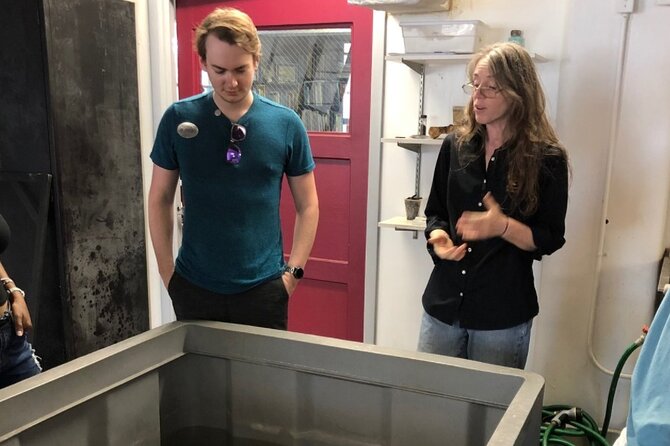
After the big treasure galleries, the museum shifts into the “how it all works” side. You’ll see topics like Spanish Coins in the New World, the reality behind the Real Pirates of the Caribbean, and the Science of Shipwrecks.
This is a nice balance if you like your history with a side of evidence. The pirate angle helps people hook in, but the science angle helps them understand why shipwreck research is methodical—not just dramatic.
There’s also mention of conservation work and the possibility of a lab tour where you can see how history is revealed through ongoing conservation every day. That’s one of the best ways to make this museum feel alive. Instead of treating the artifacts like finished trophies, you see them as work-in-progress—careful handling, analysis, and preservation.
If you’re the kind of person who likes museum “behind the scenes,” try not to rush this section.
Making It Work on a Short Key West Day
You’ve got a lot competing for your attention in Key West, so I’d treat this museum as one solid anchor stop. Build your day around it.
Here’s how to make it easier:
- Choose a time when you’re not rushing to the next photo spot. One to two hours goes fast once you start reading.
- If your group includes people who get bored by long text, focus on the galleries with the strongest objects—Spanish treasure displays and the Henrietta Marie material—then spend the extra time together on the Slave Ship and cemetery exhibits.
- Use seating when you need it. The museum provides chairs, and it’s genuinely helpful if you want to keep energy up for the heavier sections.
If you find an audio option onsite, it can help you follow the story beat by beat. At the very least, ask staff what they recommend for your pace. Small advice goes a long way in a museum like this where the route is self-guided.
Should You Book This Ticket?
Book it if you want a tight, high-impact museum stop in Key West that mixes recovered artifacts, shipwreck science, and a serious look at slavery’s maritime reality. The Spanish Treasure Galleons galleries and the Henrietta Marie material are worth your attention, and the museum’s legal storyline adds a layer most treasure shows never touch.
Skip or reconsider if you hate heavy topics. The Slave Ship and Key West African Cemetery exhibits are central, not optional. Also reconsider if you want long programming; this is a short visit, and it’s best enjoyed as a focused route.
If your time is limited but your curiosity isn’t, this ticket is a solid use of your afternoon—part treasure, part evidence, part human history you can’t un-know.
FAQ
How long does the Mel Fisher Maritime Museum admission last?
Plan for about 1 to 2 hours for the experience.
Where is the museum located?
The experience is in Key West, USA.
What is included in the $17.50 ticket?
Your ticket includes entrance to the museum.
Is a DVD included?
No. A DVD is not included, though it may be available to purchase.
What language is the experience offered in?
The museum admission is offered in English.
When is the museum open?
For both 2025 and 2026, it is open Tuesday through Sunday from 10:00 AM to 4:00 PM.
Can I cancel for a refund?
Yes. There is free cancellation, and you can cancel up to 24 hours in advance for a full refund.
Is the ticket valid more than once?
It’s single use and the ticket is valid within 60 days of your selected date.
Key West Tickets & Passes

More Key West Tour Reviews






More Key West History, Indoors


Fresh Off the Dock: The Newest Key West Reviews











Key West Museums & Historic Sites, compared.
 ★ 4.5Harry S Truman Little White House AdmissionFrom $25451 reviews
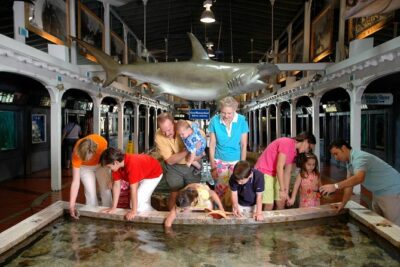 ★ 3.5Key West Aquarium AdmissionFrom $22153 reviews
 ★ 4.0Key West Shipwreck Treasure Museum AdmissionFrom $19100 reviews
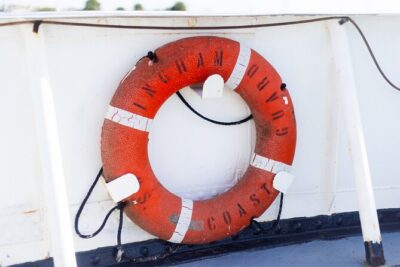 ★ 5.0Key West USCGC INGHAM Maritime MuseumFrom $2379 reviews
 ★ 4.9Truman Little White House Guided Tour TicketFrom $2557 reviews
 ★ 4.5Skip the Line: Mel Fisher Maritime Museum Admission Ticket and Audio TourFrom $1929 reviews
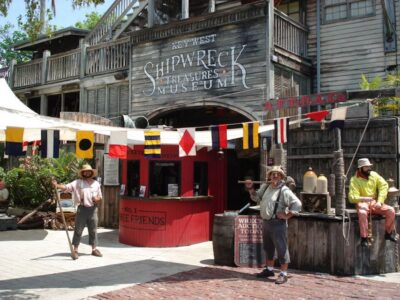 ★ 4.3Key West Shipwreck Treasure Museum TicketsFrom $1927 reviews
 ★ 4.0Key West – Museum Culture Pass20 reviews
Browse the lists this tour appears in