
Reviewed · KEY WEST MUSEUMS & HISTORIC SITES
Key West Shipwreck Treasure Museum Tickets
Shipwreck stories turn into a hands-on experience here.
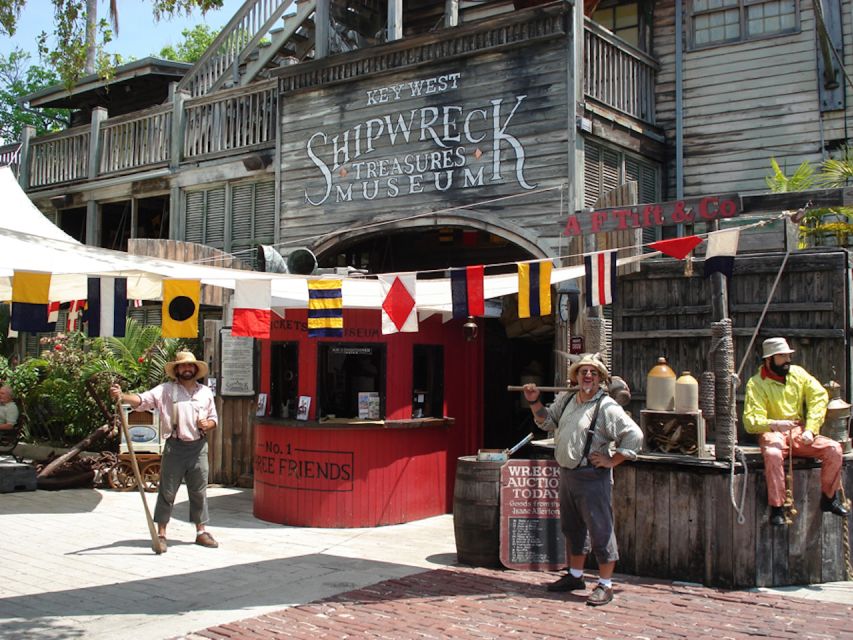
This museum brings the Florida Straits to life with genuine recovered artifacts and interactive presentations, all wrapped inside a replica of a 19th-century wrecker’s warehouse. I also love the big payoff moment: you get to try lifting a heavy silver bar tied to a real 1656 treasure wreck.
One thing to keep in mind: the presentations run on a tight rhythm, so if you arrive after the last show (4:40 PM), you’ll miss the scheduled program portion.
In This Review
- Key highlights you can actually plan around
- First stop: Mallory Square timing and where to park
- Two floors of recovered shipwreck artifacts
- The 64-pound silver bar: the most memorable hands-on moment
- Storytellers in costume and audio-visual displays that keep you moving
- The Asa Tift warehouse vibe: why the setting matters
- Climb up to the 65-foot look-out tower
- $19 value check: what you get for the money
- Who should book this museum ticket
- Final call: should you book this ticket?
- FAQ
- Where is the meeting point?
- How much are the tickets?
- How long does the experience last?
- What is included with the ticket?
- How often do the presentations start?
- What time is the last presentation?
- Can I lift the silver bar?
- What shipwrecks or eras are featured?
- How tall is the look-out tower?
- Is it wheelchair accessible?
- Is there free cancellation?
- What parking options are available nearby?
Key highlights you can actually plan around
- Two floors of authentic artifacts recovered from Key West and Florida Keys shipwrecks
- Lift a 64-pound silver bar from the 1656 Nuestra Señora de las Maravillas wreck
- Period-costumed storytellers + audio-visual displays for fast context
- Presentations start every 20 minutes (on the hour, 20-past, 20-to), with the last show at 4:40 PM
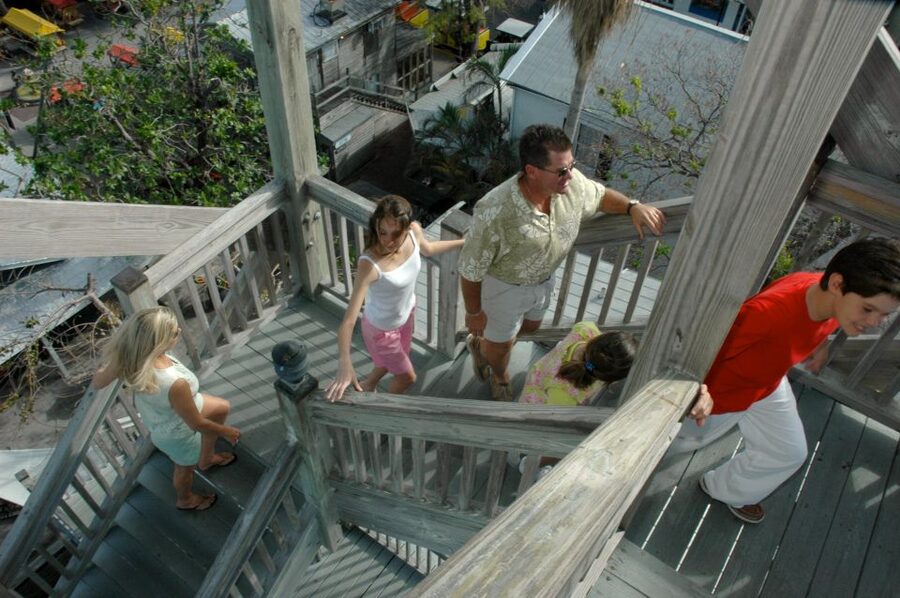
- A 65-foot look-out tower with views over the whole island
- Museum set in Asa Tift’s former wrecker-warehouse style layout, so the space matches the story
First stop: Mallory Square timing and where to park
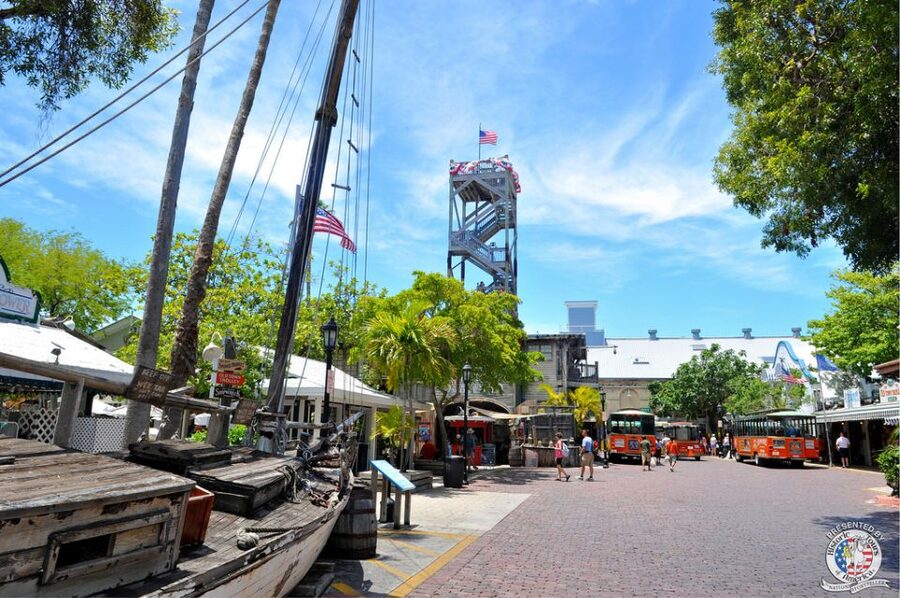
The ticket is for a straightforward, 1-day museum visit in Key West, and the meeting point is easy to find: 1 Whitehead Street, Mallory Square (33040). If you’re already planning time around Mallory Square, you’re in the right area to slot this in without a long detour.
Parking is practical here. You can use parking at Mallory Square, or the Westin Parking garage nearby. That matters because you’ll often want to arrive with a little breathing room, not just minutes before something starts.
The museum’s presentations run on a schedule every 20 minutes: at :00, :20, and :40. The last show is at 4:40 PM, so if you’re visiting later in the day, I’d plan to be on-site early enough to catch at least one full presentation slot. Think of the shows as the spine of the visit. The artifacts and tower are the body, but the presentation helps you connect everything into one story.
A helpful way to approach it: arrive, walk the main floors first, then time your day around the next presentation. That way you’re not stuck waiting with no context, and you know what to look for while you’re browsing.
More of the wreckers, sponge divers and salvage kings, indoors


Two floors of recovered shipwreck artifacts
The core of this museum experience is that it’s not just model ships and printed panels. You’re walking through two floors of genuine recovered artifacts tied to actual shipwrecks from the Key West area and the Florida Keys.
You’ll see material connected to Spanish fleets from the 1600s and 1700s, which is a big part of why Key West sits at the center of the maritime story. Long before modern shipping lanes, ships moving through the Florida Straits faced brutal reefs and unpredictable conditions. Wrecking and salvaging became the economic engine of the island—so the exhibits don’t feel random. They connect to the way Key West grew.
Another highlight is coverage of the Isaac Allerton, wrecked in 1856. Seeing an artifact tied to a more recent (for this museum’s timeline) wreck helps the big historical arc feel grounded. You can start with early Spanish traffic and then watch the story move toward the 1800s era when the island’s wrecking boom was at full speed.
What I like about the two-floor setup is that it gives you pacing. You can do a first pass to get your bearings, then return with a clearer story in your head. The museum is also recreated in the style of Asa Tift’s warehouse, which makes the exhibits feel like they’re arranged inside the working world of ship recovery—not just displayed like a typical gallery.
The 64-pound silver bar: the most memorable hands-on moment
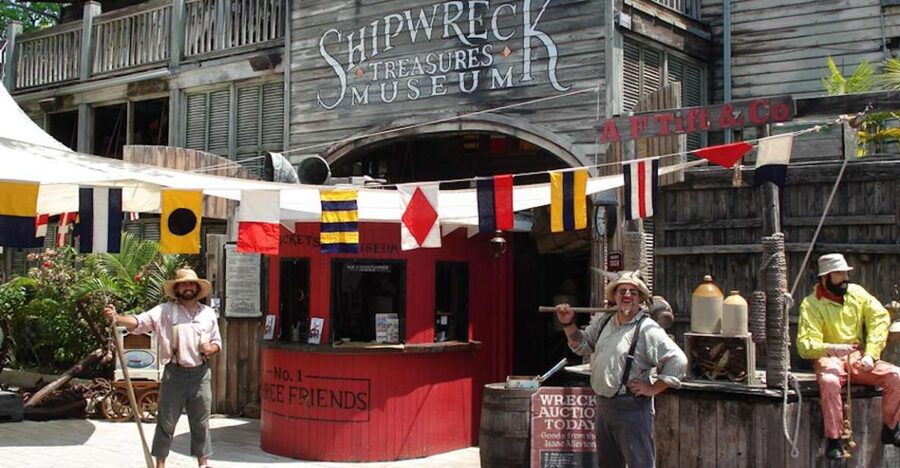
If you want one “I’ll remember this” action during your visit, it’s the silver bar lift. The experience lets you lift a 64-pound silver bar salvaged from the 1656 Nuestra Señora de las Maravillas shipwreck.
It’s more than a gimmick. This kind of hands-on moment turns history into physical reality. When you feel the weight, you understand why salvaging was serious business, not a casual side job. You start to grasp the risk and effort behind treasure recovery in the shipwreck economy—especially in an era without modern rescue tools.
Also, it changes how you look at the artifacts. After trying the lift, you’ll likely pay more attention to the objects’ purpose and value. You’ll notice how the museum frames wrecking as labor, equipment, planning, and luck.
Practical tip: if you have any concerns about strength or mobility, still go for the moment visually and follow the staff guidance. It’s the museum’s signature activity, and even watching can help you connect the “treasure” idea to the real work behind it.
Storytellers in costume and audio-visual displays that keep you moving
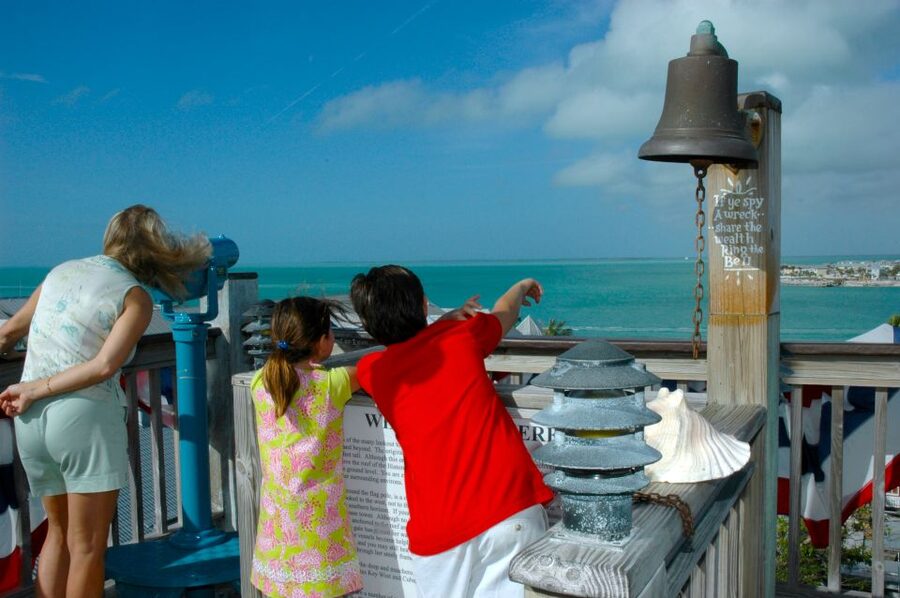
A key part of the experience is the live presentation format. You’ll get interactive learning through audio-visual displays plus storytellers dressed in period costumes. This is where the museum does a good job of stitching dates, shipwreck names, and the wrecking economy into something you can follow without feeling lost in facts.
The presentation timing is simple but strict: start times every 20 minutes at the hour, 20-past, and 20-to. The last one is 4:40 PM. That schedule nudges you to plan your visit like a mini itinerary, even though it’s a museum ticket. If you’re the type who hates waiting, arrive soon enough to catch a show right away.
One more detail that matters: the museum is set up in a recreation tied to the 19th-century wrecker tycoon Asa Tift. That theme carries into the presentation feel. Instead of hearing history like a lecture, you get the story delivered as if you’re standing inside the world that created this salvage culture.
If you’re traveling with kids, keep expectations realistic. One of the less-perfect signals in the available feedback is that the experience can feel demanding for smaller children. The good news: you can still enjoy the artifacts and the tower even if the presentation pace isn’t for everyone. Just don’t assume every moment will be short and playful.
The Asa Tift warehouse vibe: why the setting matters
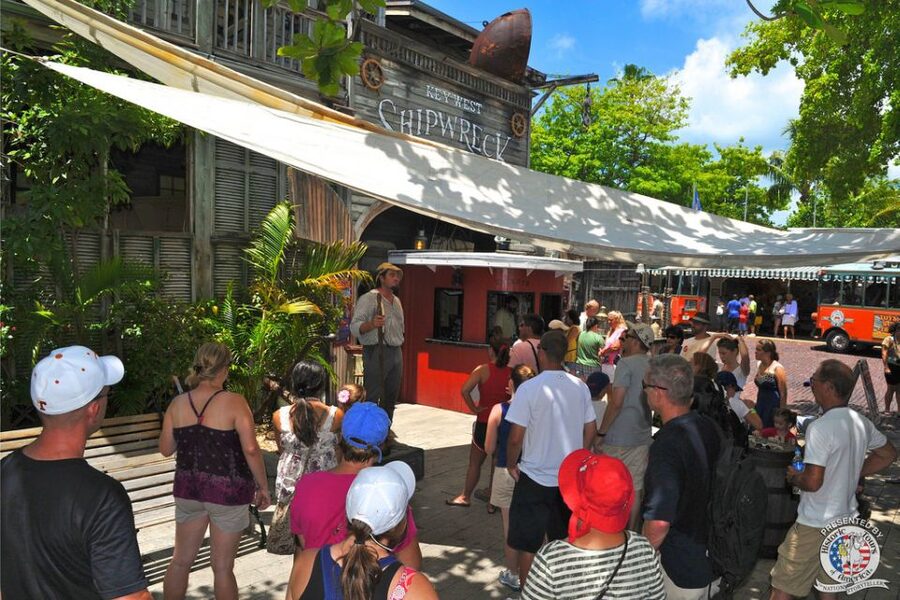
This isn’t just a museum placed in a random building. The museum is a recreation of the 19th-century wrecker tycoon Asa Tift’s warehouse, which gives the exhibits a practical, industrial frame.
That setting does two things for your visit. First, it helps explain why shipwrecking mattered beyond romance. In the 1800s, wrecking and salvaging were tied to the island’s economy, and this warehouse-style layout makes the idea feel tangible. Second, it helps you understand how the museum wants you to think: not just about what was found, but about how people handled, sorted, and valued what they recovered.
You’ll also feel it in the flow between the two floors. The space is organized like a working operation rather than a strict timeline march. That works well if you like choosing your own order. You can read the big picture, then focus on specific wreck stories as you go.
If you’re a fan of “place-based” history, this part is worth your attention. It turns the visit into more than a collection. It’s like walking through the logic of the shipwreck economy—how it started, how it grew, and why Key West became famously wealthy during the wrecking boom era.
More Key West tickets and passes


Climb up to the 65-foot look-out tower
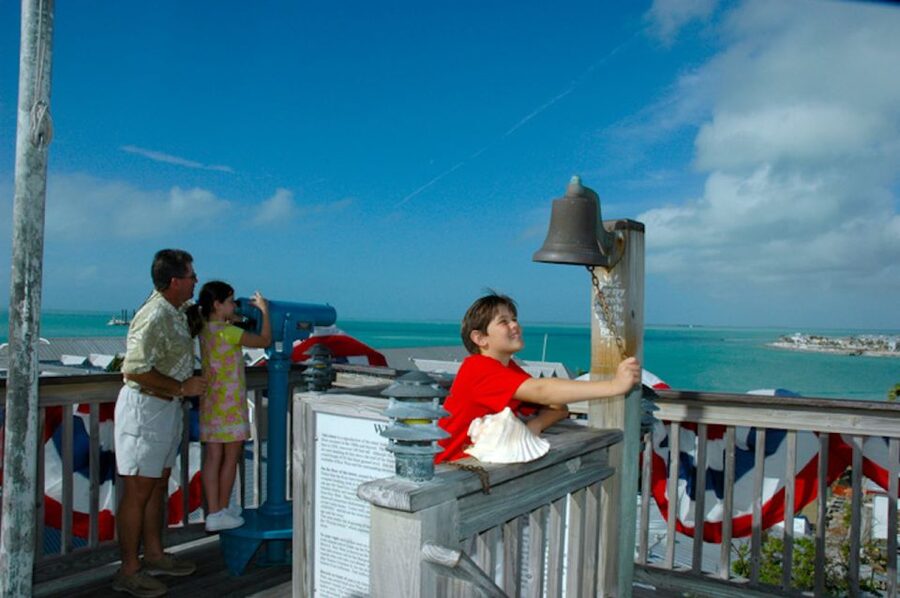
The other major draw is the 65-foot look-out tower. From up there, you get the chance to see the entire island, which is a great reminder of how geography drives everything.
This is where the Florida Straits story turns visual. Key West’s placement explains why ships faced treacherous conditions and why wrecking became a profitable (and dangerous) way of life. Looking down helps you connect the wrecking history to the actual shape of the land and the island’s position.
In available feedback, the view from the top is a standout. So if your goal is one “best moment” photo set, put the tower near the top of your plan. Even if you’re not a big tower person, it’s the kind of stop that makes the whole day click.
Time it thoughtfully. If you can, go during a calmer period so you can take in the view without feeling rushed. Bring a phone or camera, and plan for a few minutes to soak it in before you head back down to finish whatever exhibits you want to see again.
$19 value check: what you get for the money
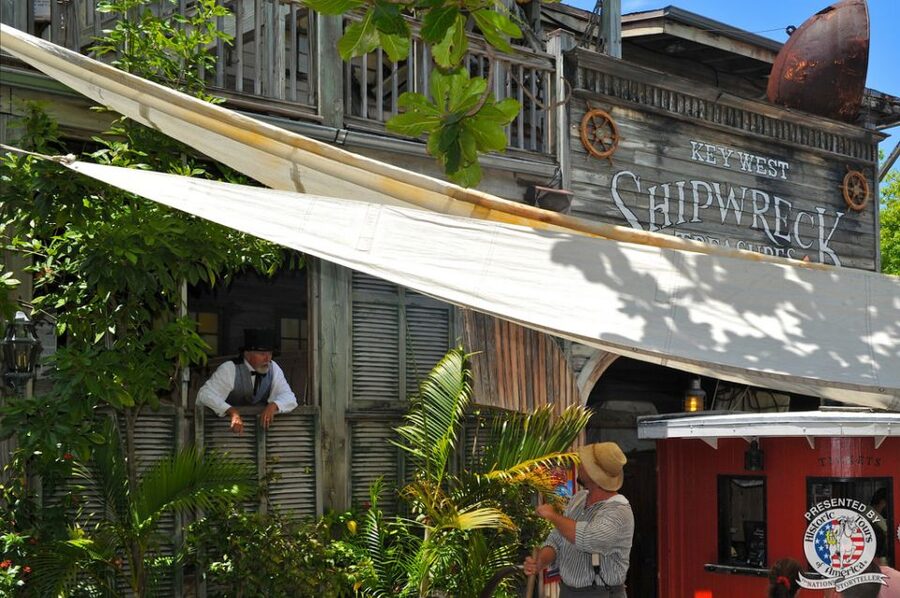
At $19 per person, the best way to judge value is what’s included and what makes it different from a typical museum ticket.
Your ticket includes museum entrance plus presentations. You’re not paying just for passive viewing. You get a structured show schedule, and you also get access to the two floors of real recovered artifacts. The interactive silver bar lift is part of what makes the experience feel memorable, not just informative.
Then there’s the look-out tower. It’s an experience beyond the displays, giving you an added reason to spend time on-site rather than treating the museum as a quick stop.
If your day in Key West already includes a few major attractions, this ticket is a good “value per hour” option because it gives you variety in a compact time frame: artifacts, live storytelling, a hands-on moment, and a tower view. If you’re tight on time, the only caution is the presentation schedule. Since the last show is 4:40 PM, you’ll want to match your visit time to one of the available presentation slots.
Who should book this museum ticket
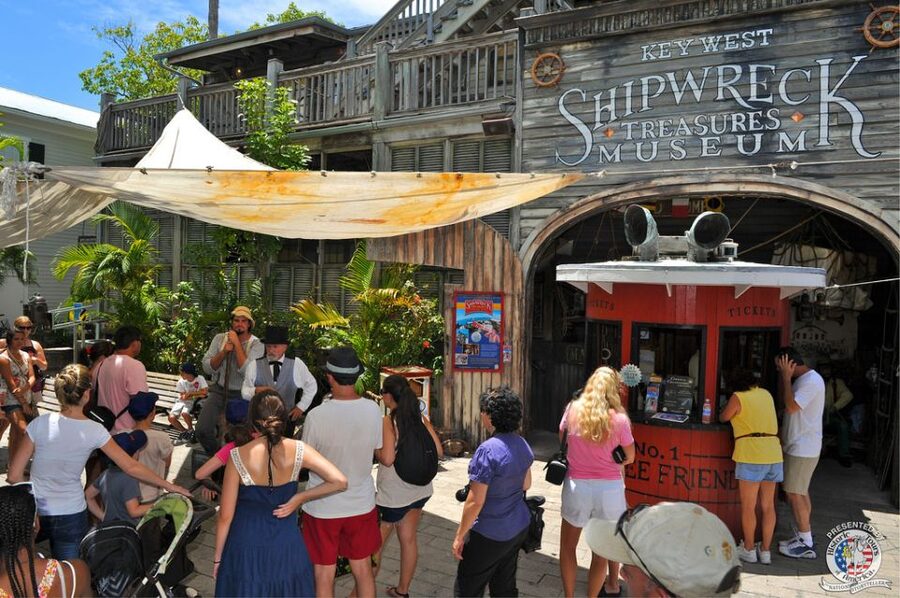
This works best for you if you like history that feels practical. If you enjoy stories connected to real objects—especially shipwreck artifacts—you’ll probably have a strong time here. The silver bar lift and the tower view add moments that go beyond reading labels.
It’s also a good fit if you’re in Key West for a short stay and want something that doesn’t depend on weather or long transport. The museum is in the Mallory Square area, which makes it easy to combine with other Key West plans.
If you’re traveling with very young kids, I’d adjust expectations. Some feedback suggests the experience can be intense or effortful for smaller children, likely because the presentation pacing and the historical material can be a lot. You can still make it work by focusing on the two floors of artifacts and saving your energy for the tower.
Wheelchair access is limited to the main floor only, so if mobility is a factor, plan your route with that in mind.
Final call: should you book this ticket?
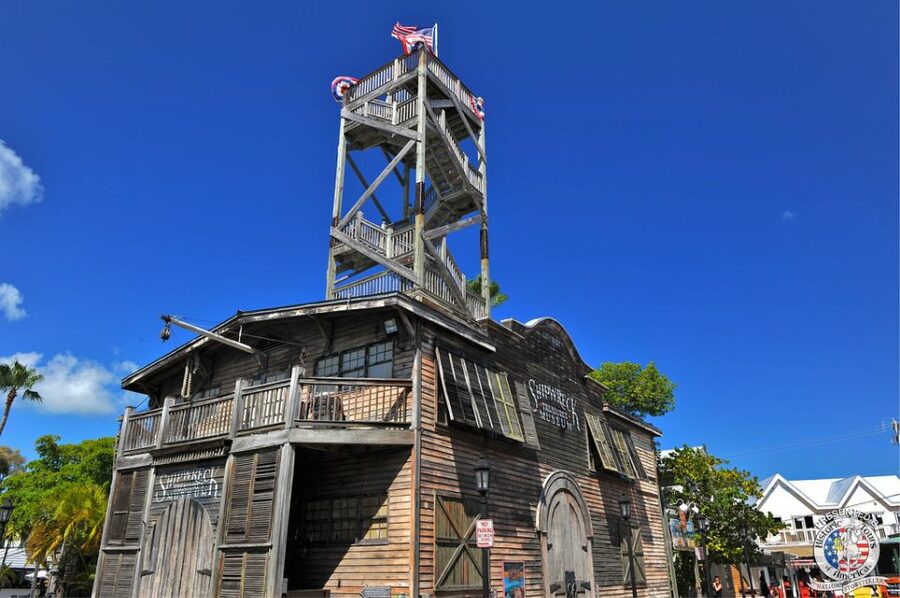
I think you should book it if you want an easy, high-retention Key West experience that mixes real artifacts with storytelling and a signature hands-on moment. The $19 price feels reasonable because you’re getting more than displays: you’re getting presentations, an interactive activity, and a 65-foot view payoff.
Hold off or plan carefully if you hate waiting for scheduled showtimes, since presentations run every 20 minutes and the last one ends at 4:40 PM. Also, if you’re bringing small kids, go in with a flexible mindset and let the artifacts and tower carry more of the day.
If your goal is to understand why shipwrecking shaped Key West, and you want those ideas anchored to objects you can see up close, this ticket earns a spot on your itinerary.
FAQ
Where is the meeting point?
The meeting point is 1 Whitehead Street, Mallory Square, Key West, FL 33040.
How much are the tickets?
Tickets are $19 per person.
How long does the experience last?
It’s listed as valid for 1 day.
What is included with the ticket?
Your ticket includes museum entrance and presentations.
How often do the presentations start?
Presentations start every 20 minutes, on the hour, 20-past, and 20-to.
What time is the last presentation?
The last show is at 4:40 PM.
Can I lift the silver bar?
Yes. You can lift a 64-pound silver bar salvaged from the 1656 Nuestra Señora de las Maravillas shipwreck.
What shipwrecks or eras are featured?
You can expect artifacts connected to Spanish fleets from the 1600s and 1700s, plus the Isaac Allerton wreck from 1856, along with the 1656 Nuestra Señora de las Maravillas.
How tall is the look-out tower?
The look-out tower is 65 feet.
Is it wheelchair accessible?
The museum is wheelchair accessible on the main floor only.
Is there free cancellation?
Yes. Cancel up to 24 hours in advance for a full refund.
What parking options are available nearby?
Parking is available at Mallory Square or The Westin Parking garage.
Key West Tickets & Passes

More Key West Tour Reviews






More Key West History, Indoors


Fresh Off the Dock: The Newest Key West Reviews











Key West Museums & Historic Sites, compared.
 ★ 4.5Harry S Truman Little White House AdmissionFrom $25451 reviews
 ★ 3.5Key West Aquarium AdmissionFrom $22153 reviews
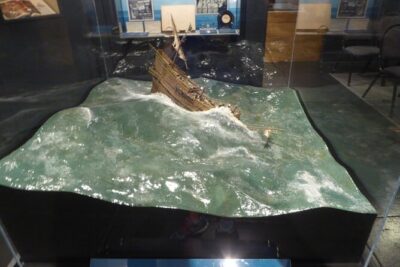 ★ 4.0Mel Fisher Maritime Museum Admission TicketFrom $17126 reviews
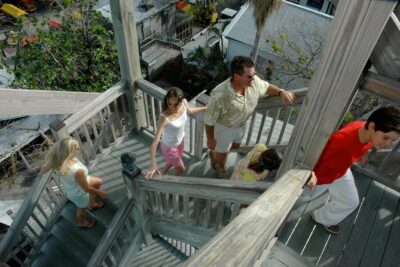 ★ 4.0Key West Shipwreck Treasure Museum AdmissionFrom $19100 reviews
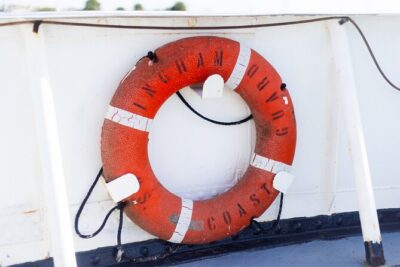 ★ 5.0Key West USCGC INGHAM Maritime MuseumFrom $2379 reviews
 ★ 4.9Truman Little White House Guided Tour TicketFrom $2557 reviews
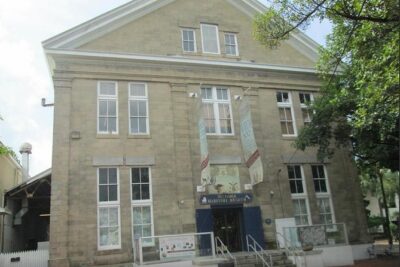 ★ 4.5Skip the Line: Mel Fisher Maritime Museum Admission Ticket and Audio TourFrom $1929 reviews
 ★ 4.0Key West – Museum Culture Pass20 reviews
Browse the lists this tour appears in