Reviewed · KEY WEST
Shark and Wildlife Viewing Adventure in Key West
Sharks close to the boat sounds scary, but it’s not. This 2-hour Key West adventure mixes wildlife spotting and an up-close shark-feeding experience from a covered, eco-friendly catamaran. I like that the crew focuses on the local waters and brings you along safely, step by step, so the whole family can enjoy it.
Two things I’d put on the top of your “yes” list: polarized sunglasses and snacks/drinks included, plus the small-boat feel. The polarized eyewear helps you cut glare when you’re scanning for movement, and the food keeps people happy on the water. One thing to factor in: the wildlife show depends on conditions, especially when cold fronts roll through.
In This Review
- Quick Takeaways
- Tiger Cat Catamaran: Eco-Friendly Holding Power and Shade That Matters
- Getting to Pier B: The Dock Behind the Westin Resort
- Harbor Cruise to the Refuge: Your First Wildlife Check
- Shallow Water Near Mangroves: Dolphins, Turtles, Stingrays, and Birds
- Offshore Shark Territory 4 Miles Out: Lemon and Nurse Up Close
- What You Actually Get for $99: Drinks, Snacks, Sunglasses, and a Bathroom
- Weather Can Change the Game: Cold Fronts and Short-Term Adjustments
- Photo Tips That Actually Help on a Shark-Feeding Boat
- Who This Tour Is Best For (and Who Might Want to Rethink It)
- Should You Book This Shark and Wildlife Adventure in Key West?
Quick Takeaways
- Small group size (max 35) makes it easier to spot wildlife and stay comfortable.
- Power-pole anchoring (no anchor drop) helps protect the seagrass/coral bottom while you watch sharks.
- Shark viewing is the main event: bait brings lemon, nurse, bull, blacktip, and hammerhead sharks close to the boat.
- You also get a wildlife cruise through shallow waters near mangroves for dolphins, turtles, stingrays, and birds.
- Bring a camera because the best moments happen fast, especially around shark feeding.
- Guides like Clay, Matt, and Tanner keep things fun while explaining the ecosystem and what affects sightings.
Tiger Cat Catamaran: Eco-Friendly Holding Power and Shade That Matters
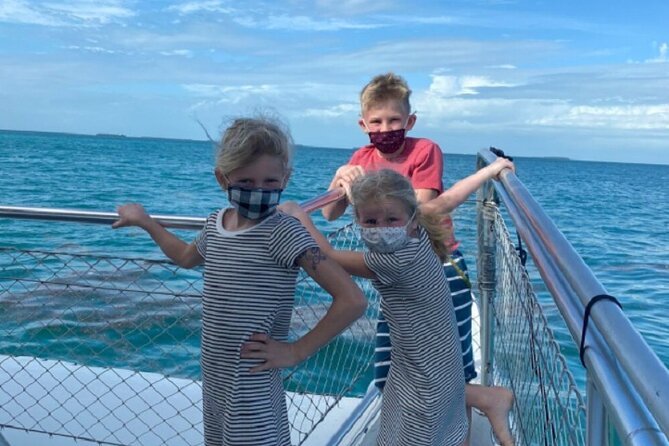
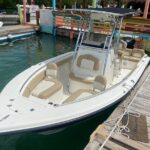
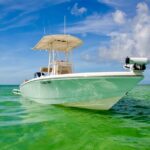
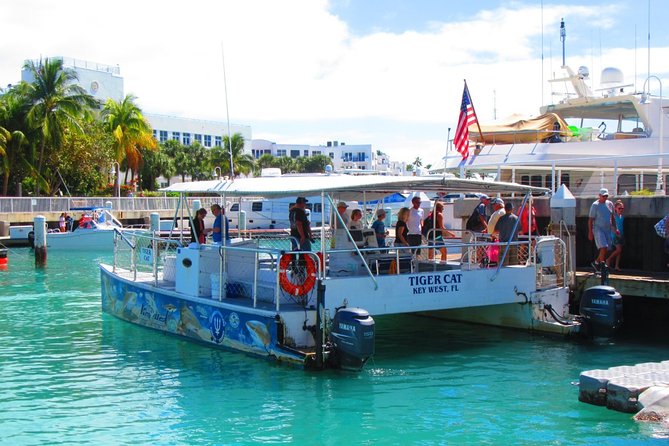
The boat is the Tiger Cat, a custom-built 34-foot catamaran designed for comfortable wildlife viewing. It’s marketed as eco-friendly for a reason that actually affects your experience: instead of using an anchor, the crew uses a power-pole system to hold position. That reduces the chance of damaging the seagrass and coral bottom below—so you get the benefit of stable viewing without the tradeoff.
Comfort isn’t an afterthought here. There’s a cover/canopy over the boat area, which reviewers specifically call out as helpful when the sun is intense—or when you just don’t want to bake. There’s also a bathroom on board, which sounds basic until you’re two hours out on the water and you’re trying to keep kids calm (or yourself calm).
One more practical detail: you’re not just “along for the ride.” The crew and captain are local wildlife experts with decades of time on the Florida Keys’ backcountry waters. That matters because when you’re watching for fast, low-contrast movement, good guidance turns random scanning into focused spotting.
More chances to meet the island wildlife
Getting to Pier B: The Dock Behind the Westin Resort
Your meeting point is clear and specific: Opal Key Resort & Marina, 245 Front St, Key West, docking on Pier B behind the Westin Resort. There’s no hotel pickup and drop-off, so plan to arrive on your own. The dock is also noted as near public transportation, which can help if you’re not driving everywhere.
Timing is the one logistics item I’d take seriously. The tour often runs around 10 am, but it can shift due to tides and weather. The operator also asks you to call to confirm departure time at least 24 hours before your tour—because the water isn’t a static theme park. If you skip that call, you risk showing up at the wrong time.
Because this is a boat tour, you’ll also want to build in a little buffer. Even if the check-in is straightforward, parking and walking to the pier can add a few minutes. Do yourself a favor: get there early enough that you’re not stressed while trying to find the right crew and boat.
Harbor Cruise to the Refuge: Your First Wildlife Check
Once you’re on board the Tiger Cat, you start with a cruise through the Key West harbor on the way to the Key West National Wildlife Refuge. This first leg is more than just transit. It’s when you can catch early action—one itinerary note says you may see dolphins out of the harbor, and the list of potential sightings includes more than just sharks.
This part is also where you get your bearings. The crew talks about what you’re likely to see and how to read the water—where wildlife tends to appear and why. If you’re coming from land, that coaching helps a lot. You’ll know what to look for instead of staring at the horizon and hoping.
The drawback with early spotting: it’s still nature. Sometimes the water gives you dolphins quickly, sometimes it doesn’t. Either way, you’re not wasting time—you’re learning the patterns the captain is watching, and you’re working up to the main shark viewing area.
Shallow Water Near Mangroves: Dolphins, Turtles, Stingrays, and Birds
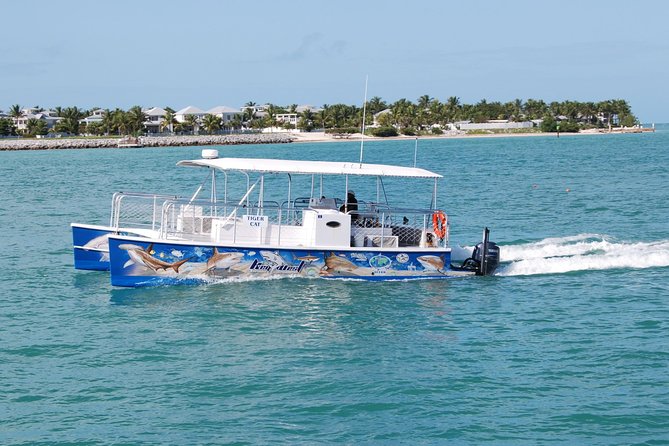
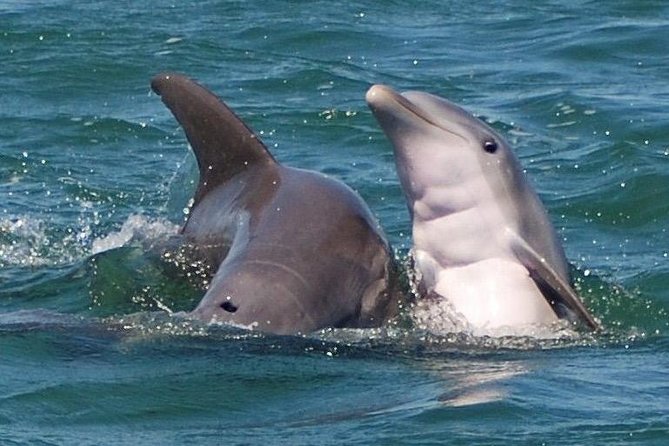
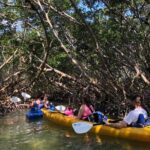
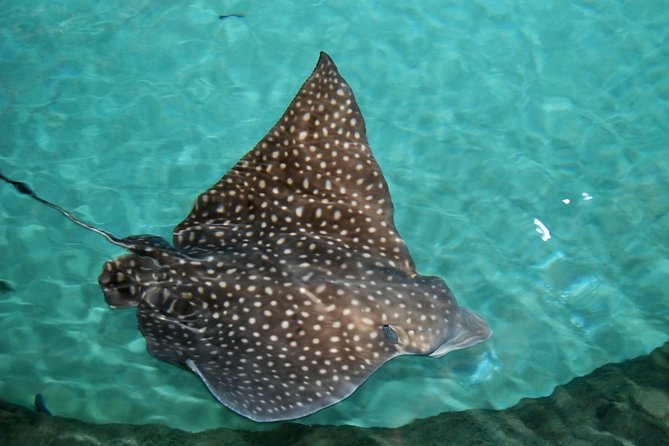
After the harbor portion, the boat travels through shallow water close to mangrove islands. This is where a lot of the “wildlife variety” happens. As you move out, keep an eye out for dolphins, sea turtles, stingrays, barracudas, tarpon, and a bunch of native birds.
The key value here is the ecosystem education. The pilot shares how the area functions and why you’re seeing what you’re seeing. That turns “I saw a stingray once” into “I understand why it was there,” which makes the whole trip feel more meaningful—especially if you’re bringing kids or someone who wants the why behind the what.
There’s also a practical reason to pay attention during this section: the light and surface activity can guide you toward where the crew will focus later. When the crew starts talking about the next segment, you’ll have already practiced your scanning skills.
One consideration: this segment is also part of the boat time, so bring along what you need for comfort. In calmer weather you’ll be fine, but when the ride gets a bit choppier, it helps to have a warm layer ready.
Offshore Shark Territory 4 Miles Out: Lemon and Nurse Up Close
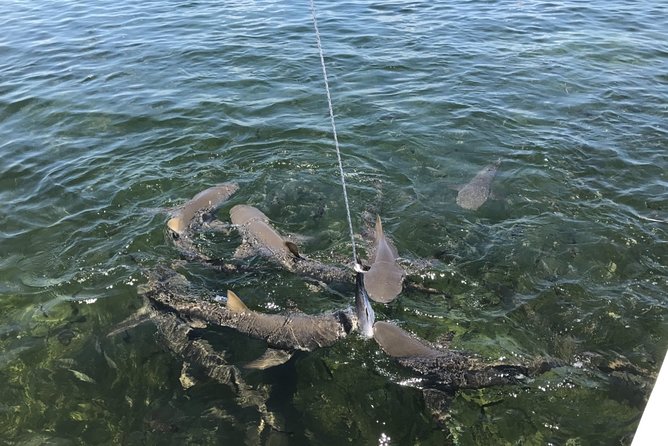
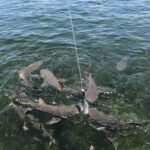
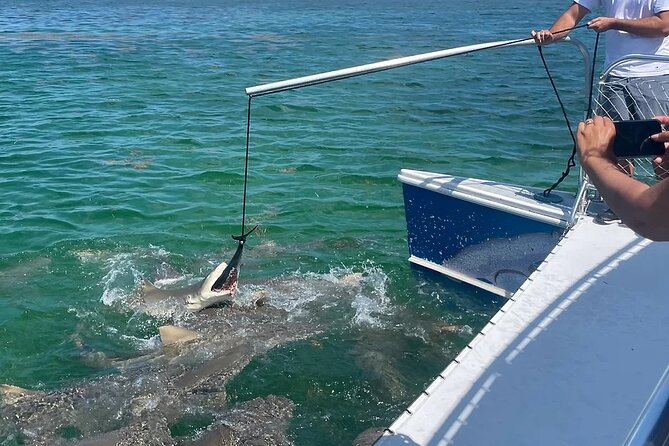
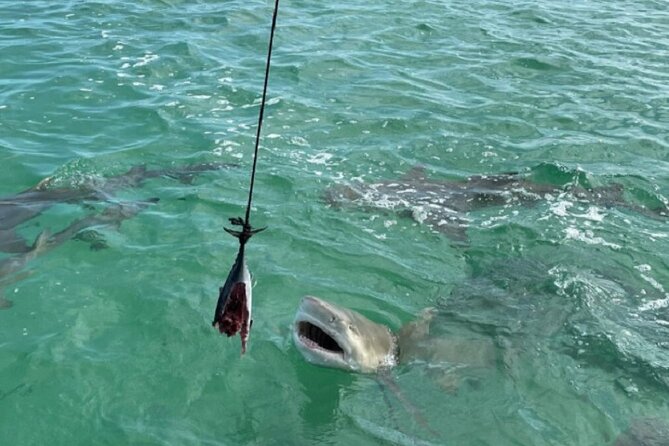
The shark viewing happens after you travel about four miles offshore—about six km—into prime shark territory. This is the moment a lot of people book for, and the tour is built around a very specific method: bait is dropped to attract sharks, then the sharks come in close enough for viewing from the boat.
The species list is clear: you can see lemon, nurse, bull, blacktip, and hammerhead sharks. The main viewing window runs for nearly an hour. That’s plenty of time to get photos and videos without feeling rushed, and it’s long enough for the crew to reposition if needed so you all get a fair look.
Safety and comfort are part of the design. You’re not swimming with sharks. You’re watching them in open water from a stable catamaran with the crew managing the bait. Reviews often mention that the crew ensures people have equal opportunity to view the action, including families with kids.
A small realism note: shark behavior shifts with conditions. One cold-weather experience was adjusted due to rare impacts on shark activity, and another trip noted that severe cold can make shark sightings harder. Translation for you: aim to go with a flexible mindset, and enjoy the whole wildlife cruise even if the sharks aren’t fully “on” that day.




What You Actually Get for $99: Drinks, Snacks, Sunglasses, and a Bathroom
At $99 per person, this tour isn’t trying to be cheap. The value comes from what’s bundled and what you’re paying for. You’re getting:
- A guided trip led by local wildlife experts
- A catamaran experience out to real shark territory
- Soda, juice, and bottled water
- Snacks
- Polarized sunglasses included
- A restroom on board
- No need for hotel pickup
When you add those together, $99 starts to look more reasonable. A lot of boat tours charge extra for basic extras—or they skip the items you’ll notice immediately, like drinks and shade. Here, you get that support built in.
It also helps that the group cap is 35 travelers. Smaller groups tend to feel less chaotic for spotting wildlife and passing along camera angles. One review even highlights that the crew made sure everyone had a fair chance to see the shark feeding.
Food and comfort matter more than people think on wildlife tours. Two hours is just long enough to get hungry, thirsty, or uncomfortable if you’re not prepared. Having cold drinks and snacks included helps you stay focused on the water instead of managing your mood.
Weather Can Change the Game: Cold Fronts and Short-Term Adjustments
This is an all-weather-operates type of tour, but it’s also a wildlife tour. That means the “show” depends on environmental factors, especially temperature. Reviews mention that sharks and dolphins can behave differently during cold snaps, and one experience was handled with real honesty: the crew communicated that the sharks weren’t showing up, then offered a refund when viewing conditions didn’t meet expectations.
So here’s how I’d plan around weather: don’t treat this as a guarantee that every single visitor will see every species every time. Treat it as a strong chance to see sharks feeding up close, plus backup wildlife sightings during the cruise.
Also, dress like you’re going to be on the water. Even when Key West feels warm on land, it can cool down offshore. One review specifically suggests bringing a sweatshirt during colder months. And since there’s a canopy, you can chill without becoming miserable.
If you want to maximize your odds, do the one thing you control: call the operator to confirm departure time and stay flexible about timing. The water responds to conditions fast, and the crew adjusts based on what they’re seeing out there.
Photo Tips That Actually Help on a Shark-Feeding Boat
You’ll want your camera ready because the best moments happen quickly. The trip is designed so sharks swim right up close to the boat during baiting, so the action can be intense for stretches and then quiet for stretches.
A few practical things that make a difference:
- Use the included polarized sunglasses to cut glare while scanning
- Keep your camera low and steady when sharks come in, since movement on a catamaran can happen
- Bring a hat and sunscreen, especially during the midday harbor-to-offshore travel
- If you’re prone to motion sickness, you might find this ride easier thanks to the catamaran stability and the short overall duration—one review mentions no sea sickness during a shallow-water day
Also, check whether you’ll have any media after the trip. One review notes the crew took a video of the shark feeding and provided a way to download it. That may not be universal, but it’s worth asking before you go, especially if you’re traveling with family and you want more than just a shaky phone clip.
Who This Tour Is Best For (and Who Might Want to Rethink It)
This tour fits people who like wildlife, education, and close-up viewing without extreme adventure. It’s a hit with:
- Families: kids are included in a safety-first way, and the guides keep the experience entertaining
- Older travelers: one review mentioned a parent 80+ who took lots of photos and found the day comfortable
- Nature-lovers who want more than just sharks—they also get birds, turtles, stingrays, and the chance for dolphins
It may be less ideal for you if you’re extremely sensitive to bait-based feeding concepts or if you strongly need guaranteed dolphin sightings. The sharks are the anchor event; dolphins and other wildlife depend on conditions. Reviews even include a case where sharks showed but dolphins did not.
One more note: no alcoholic drinks permitted. That keeps it a calmer, family-friendly vibe. It’s a plus if you want clear guidance and less distraction while the crew manages the feeding and viewing positions.
If you’re the type who likes “the story behind the sighting,” you’ll likely enjoy the way pilots explain what they’re seeing and how the ecosystem changes with temperature.
Should You Book This Shark and Wildlife Adventure in Key West?
I think you should book this if you want a straightforward Key West wildlife experience with a real centerpiece: sharks up close from the safety of the Tiger Cat. For $99, you get guided instruction, included drinks/snacks, polarized eyewear, and a proper restroom—plus a tour structure that tries hard to show you more than one type of animal.
Book with your expectations tuned to nature: weather can shift the activity level, and cold fronts can change what comes in. Still, the overall track record is strong, and the operator behavior described in reviews suggests they prioritize honest communication if conditions prevent good viewing.
If your schedule is tight, this is also a smart choice because it’s short—about 2 hours—and it runs in the morning timeframe that many visitors prefer.
If you want a safe, fun, photo-friendly way to see sharks and Florida Keys wildlife in one go, this is an easy yes.