
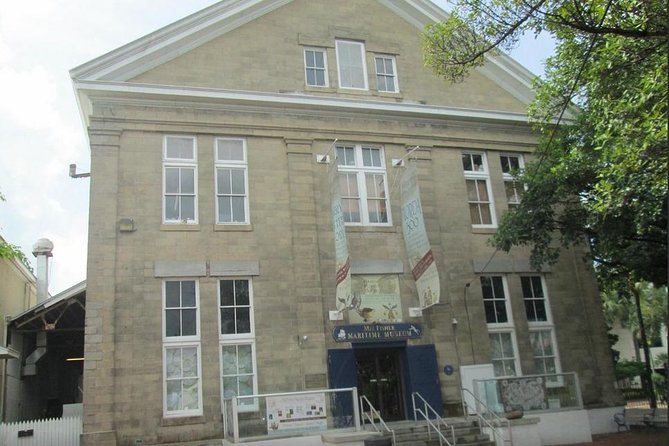
Reviewed · KEY WEST MUSEUMS & HISTORIC SITES
Skip the Line: Mel Fisher Maritime Museum Admission Ticket and Audio Tour
Treasure stories, minus the hassle. The Mel Fisher Maritime Museum in Key West is a smart break from the heat, with self-paced audio that turns artifacts into a clear narrative and a mobile ticket that helps you get in without fuss.
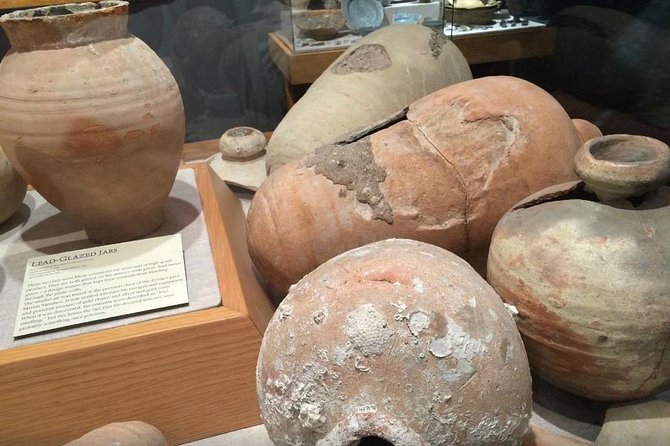
I especially love the Atocha treasure galleries and the way the museum explains the search, recovery, and legal fight to keep the finds in American hands. I also like that the audio tour doesn’t just list objects; it builds a reason to care about them, including the shipwreck stories tied to real history.
One possible drawback: this is mostly an audio-guided walk-through, not a live guided talk, so if you want lots of Q&A, you’ll have to use the exhibits themselves to answer your own questions.
In This Review
- Key takeaways before you go
- Atocha Meets Henrietta Marie: what you’re really buying
- Getting in smoothly with a mobile ticket and English audio tour
- First stop: Mel Fisher’s Supreme Court fight and the Atocha treasure story
- The Henrietta Marie galleries: slave-ship history and the weight of details
- Spanish coins, real pirates, and the Science of Shipwrecks rooms
- How long to plan for the 1 to 4 hour visit window
- Is $19.50 a smart value in Key West?
- Who should book this audio-tour museum ticket
- Should you book this skip-the-line admission and audio tour?
- FAQ
- What’s included with the ticket?
- How long does the museum visit take?
- Is the audio tour available in English?
- Where does this take place?
- What are the opening hours?
- Can I cancel and get a full refund?
- Is the group size limited?
Key takeaways before you go
- Mobile ticket flow: you’ll rely on your phone for the admission ticket, making entry smoother.
- Atocha and Henrietta Marie focus: two major shipwreck stories anchor the visit.
- Hard history, handled carefully: the slave-ship galleries present difficult material respectfully.
- More than artifacts: you’ll see the science of shipwrecks and conservation work through lab viewing.
- Audio tour included (English): you can pause, walk at your pace, and still follow the thread.
Atocha Meets Henrietta Marie: what you’re really buying
This ticket is about value through structure. For $19.50, you’re not just buying entry into a museum room—you’re getting an included audio tour that guides you through the key galleries and keeps the story from feeling like random display cases. That matters in a place like Key West, where a visit can turn into a quick look-around if you don’t have a plan.
The museum’s strongest pull is its dual focus: one side is “how treasure was found,” the other side is “what happened to people connected to the ships.” That mix gives you variety in just a couple hours. One gallery is packed with the thrill of maritime discovery; another confronts the reality of the transatlantic slave trade and Key West’s role in it.
You’ll also catch the museum’s “why this all mattered” theme. The story isn’t just about recovered gold and silver. It includes the battles Mel Fisher had with the government over keeping the artifacts, reaching all the way to the US Supreme Court. That legal drama is a big reason this museum feels more like a living story than a static collection.
More of the wreckers, sponge divers and salvage kings, indoors

Getting in smoothly with a mobile ticket and English audio tour
The “skip-the-line” promise here is really about reducing friction. The big practical win is the mobile ticket: you’re set up to enter using your phone rather than hunting for paperwork or re-reading emails at the desk. Once you’re inside, the included English audio tour helps you get your bearings fast—especially if you’re visiting with kids or anyone who gets restless in silence.
Because it’s self-paced, you can match the visit to your mood. Want to move quickly? Skip back and forth between the biggest galleries. Want to linger? Stop for the audio moments that explain what you’re seeing—like how wrecks were found and what conservation reveals over time.
Audio tours are also a great option if your group has mixed interests. One person wants treasure stories; another wants deeper context about slavery, coins, and how shipwrecks are studied. The audio format lets you keep both happy without everyone having to agree on a single pace.
First stop: Mel Fisher’s Supreme Court fight and the Atocha treasure story
Your visit starts with the Mel Fisher Maritime Heritage Museum framing the whole mission. The standout element here is the idea that the artifacts weren’t simply found—they were defended. You’ll learn about Mel Fisher’s battles with the government to retain the treasures they recovered, culminating in the US Supreme Court. That context changes how you view every later object, because you understand the recovery wasn’t only physical work at sea. It was also legal and political.
From there, the emphasis shifts to the Spanish Treasure Galleons galleries, tied to shipwreck recovery efforts led by Mel Fisher and his crew. If you’re drawn to pirate-era romance, you’ll still find plenty of that energy here, but the museum keeps it grounded. You’re not just looking at shiny items; you’re learning how these treasures moved, why they were worth recovering, and how they connect to the wider world.
The exhibit flow helps you not feel lost. One reason I’d prioritize the Atocha section early is that it sets the tone for the museum: excitement first, then deeper meaning. The signage is straightforward, and the layout gives you room to process what you’re seeing instead of being squeezed into a pure sprint-through.
If you’re coming during busy times, this is also a good place to slow down. A couple extra minutes watching the audio explanation can make the treasure displays feel much more personal—like you’re following a chain of discoveries rather than passively browsing.
The Henrietta Marie galleries: slave-ship history and the weight of details
The Henrietta Marie exhibit is where the museum stops being just a treasure hunt. This is an English merchant slave ship dating back to 1699, and the wreck was discovered in 1972, with partial excavation taking place before later years added more work. The museum uses that timeline to show that shipwreck history isn’t always a one-and-done moment—it’s an ongoing process.
What hits hardest are the artifacts connected to the transatlantic slave trade, including shackles that are central to the display. I appreciate that the museum treats the subject respectfully. It doesn’t sensationalize the suffering; it frames it as human history tied to real violence and real systems.
There’s also video material focused on investigations, which adds a different texture than static displays. It helps you understand that the museum’s job isn’t just to show objects. It’s to reveal what’s happening underneath the surface—how researchers interpret wreck remains, and what they learn as excavation and conservation progress.
Practical tip: if you’re visiting with kids, this is the point where you decide how much you want to listen to the audio and how much you want to skim. You can still learn something important without forcing the hardest parts all at once. For many families, this gallery becomes the one that creates the most meaningful questions afterward.
And because it’s inside, it also works as a deliberate break from the Florida sun. The museum provides a cool, controlled environment where you can absorb difficult history without rushing.
Spanish coins, real pirates, and the Science of Shipwrecks rooms
After the big two shipwreck stories, the museum widens its lens. You’ll encounter exhibits that connect treasure to daily life and global systems—like Spanish coins in the New World and the idea of the real pirates of the Caribbean.
This is a smart section if you want your visit to feel broader than two wrecks alone. Coins and trade items help you understand the money side of exploration and empire. Pirate stories help you connect the idea of danger and plunder to the wider reality of ships traveling, carrying cargo, and being pulled into larger conflicts.
Then comes the Science of Shipwrecks angle, and it’s more useful than you might expect. Rather than treating shipwreck studies as magic, the exhibits highlight investigation and how conservation works. The museum even offers lab tours where you can see how history is revealed through conservation every day. That’s a fantastic add-on, because it shows the museum as a working laboratory, not only a display building.
If you enjoy learning how things are done—how teams recover objects, how artifacts are protected, how researchers interpret evidence—this is the section that makes the visit feel current. You’re not just absorbing stories from centuries ago; you’re seeing methods used today.
More Key West tickets and passes


How long to plan for the 1 to 4 hour visit window
The experience time is listed as about 1 to 4 hours, and that range makes sense. If you’re a fast walker and you stick to the biggest galleries plus a quick audio route, you can get through in roughly an hour or two. If you like details—especially when the audio moves into explanation and background—you’ll naturally stretch toward the longer end.
For me, the best approach is to treat the audio tour as a series of checkpoints rather than a single uninterrupted listen. Start the audio, but don’t feel bad pausing it while you look at displays. You’ll get more out of the visit if you take time to connect what the audio says to what you can actually see.
This visit also works well as a “cool down” stop. Key West days can get steamy fast. A couple hours indoors gives you a reset and lets you return to the street later without feeling wiped out. The museum’s major galleries are close enough that you’re not spending your whole time walking between distant wings.
If you’re traveling with children, the flexible pacing is a real advantage. The audio tour can keep them engaged while also giving you the option to skip sections that don’t hold their attention.
Is $19.50 a smart value in Key West?
At $19.50 per person, this museum ticket lands in the “reasonable, especially if you use the audio” category. The best value comes from actually listening to the audio and using it to connect the exhibits to one narrative arc—treasure recovery, legal conflict, and the moral weight of the ships’ histories.
You’ll also likely feel better about the price because the museum focuses on major themes rather than a long list of unrelated objects. Atocha treasure and Henrietta Marie history are substantial anchors. After that, the coins, pirate stories, and shipwreck science expand the visit so you don’t leave feeling like you only saw one highlight.
Another value point: the visit isn’t designed for crowds of hundreds. It lists a maximum group size of 15, which usually makes it easier to move through galleries and keep your place without constant shoulder-to-shoulder navigation.
If you’re budgeting for Key West and want something that feels both entertaining and meaningful, this is one of those tickets that gives you time and structure. You’re not just paying to get into rooms; you’re paying for a guided experience you control.
Who should book this audio-tour museum ticket
This works best for you if you like maritime history, shipwreck stories, and museum visits that explain not just what you’re seeing but why it matters. It’s also good if you’re traveling with kids and want to foster interest in history without turning the day into a lecture marathon.
It’s a strong fit for:
- Families who want an educational stop that still feels exciting
- Adults who care about how artifacts are recovered and conserved
- Anyone who wants both treasure and hard history in one visit
It may be less ideal if you want a full live guide for every room. Since this is centered on an audio tour, you’ll do most of the learning by following the recordings and reading exhibit signage.
Should you book this skip-the-line admission and audio tour?
Yes, if you want a museum visit with built-in pacing and a clear narrative. The combination of a mobile ticket and an included English audio tour is a practical way to spend a couple hours in Key West without wasting time figuring out where to start.
Book it if you care about the big shipwreck stories, the legal battle that shaped what happened to recovered treasure, and the science of shipwreck discovery. Skip it only if you’re determined to have live commentary and lots of Q&A, because this experience is built around your own listening and exploring.
FAQ
What’s included with the ticket?
You get admission to the Mel Fisher Maritime Museum plus one audio tour in English.
How long does the museum visit take?
Plan on about 1 to 4 hours, depending on how much you listen and how long you spend in each gallery.
Is the audio tour available in English?
Yes, the audio tour included with this package is in English.
Where does this take place?
It’s at the Mel Fisher Maritime Museum in Key West, USA.
What are the opening hours?
For both 2025 and 2026, it’s open Tuesday through Sunday from 10:00 AM to 4:00 PM.
Can I cancel and get a full refund?
Yes. You can cancel up to 24 hours in advance for a full refund.
Is the group size limited?
Yes. The experience has a maximum of 15 travelers.
If you want, tell me your travel dates and whether you’re going as adults-only or with kids, and I’ll suggest a best-time strategy for timing your visit and what to prioritize first inside.
More Key West Tours






More Key West Tour Reviews



More Key West History, Indoors


Fresh Off the Dock: The Newest Key West Reviews










Key West Museums & Historic Sites, compared.
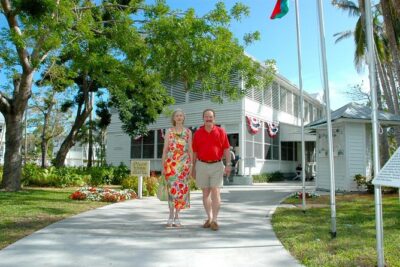 ★ 4.5Harry S Truman Little White House AdmissionFrom $25451 reviews
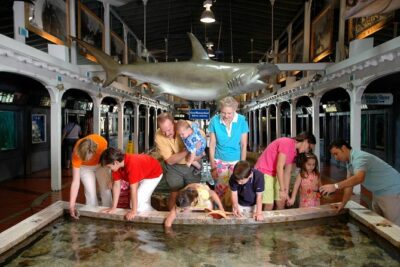 ★ 3.5Key West Aquarium AdmissionFrom $22153 reviews
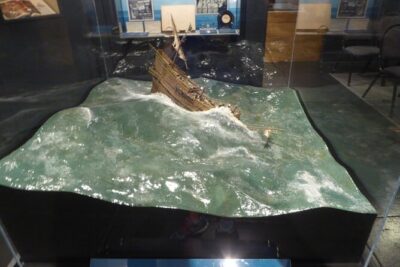 ★ 4.0Mel Fisher Maritime Museum Admission TicketFrom $17126 reviews
 ★ 4.0Key West Shipwreck Treasure Museum AdmissionFrom $19100 reviews
 ★ 5.0Key West USCGC INGHAM Maritime MuseumFrom $2379 reviews
 ★ 4.9Truman Little White House Guided Tour TicketFrom $2557 reviews
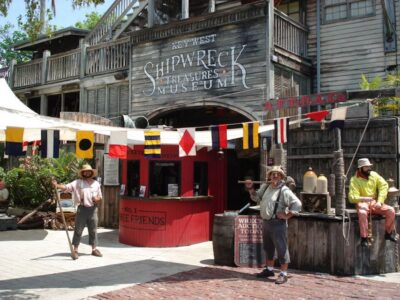 ★ 4.3Key West Shipwreck Treasure Museum TicketsFrom $1927 reviews
 ★ 4.0Key West – Museum Culture Pass20 reviews
Browse the lists this tour appears in