
Reviewed · DRY TORTUGAS & LOWER KEYS DAY TRIPS
Turtle Hospital and Lower Florida Keys Day Trip from Key West
Turtles on the mend in the Florida Keys. This small-group day trip from Key West mixes big scenery with a real purpose: a guided visit to Turtle Hospital, plus time on the Old Bahia Honda Bridge and wildlife viewing stops along the way. If you like your tours with both meaning and good photos, this one hits.
I especially like the way the day is built around stops with clear payoffs: Turtle Hospital for up-close turtle rehab, and Bahia Honda State Park for a proper lunch break plus water-and-bridge walking. One consideration: it’s a full drive day with short walks on uneven surfaces, so you’ll want comfy shoes and a bit of stamina.
In This Review
- Key highlights that make this tour worth your time
- How a Lower Florida Keys day trip actually works from Key West
- The van ride: crossing bridges without feeling stuck on a bus
- Bahia Honda State Park: where lunch turns into part of the sightseeing
- National Key Deer Refuge: wildlife spotting with the right expectations
- Seven Mile Bridge history and why the original bridge matters
- Turtle Hospital: the working rehab tour you’ll feel in your chest
- Food, snacks, and keeping your energy steady until 4:00 pm
- What to bring: shoes, sun, and the small things that prevent misery
- Price and value: what you get for $149 per person
- Who this tour suits best (and who might want to rethink it)
- Should you book this Turtle Hospital and Lower Keys day trip?
- FAQ
- What time does the tour start, and when does it end?
- How long is the trip?
- What’s included in the $149 per person price?
- Is lunch included, and are there options for dietary needs?
- What happens if Turtle Hospital can’t operate due to hazardous weather?
- Is there walking involved?
Key highlights that make this tour worth your time
- Turtle Hospital walking tour: a working rehab and education stop with guided time in the facility
- Hotel pickup in Key West: you start relaxing at 9:00 am instead of hunting transport
- Bahia Honda State Park lunch: food is included, and you get time to explore the park and bridge area
- Lower Keys wildlife chances: you stop at the Key Deer refuge and a Blue Hole area where you might spot alligators, turtles, or birds
- Historic bridge moments: you ride over the modern Seven Mile Bridge and get context on the original
- Bat Tower stop: built in 1929 for mosquito control and listed on the National Register of Historic Places
How a Lower Florida Keys day trip actually works from Key West
This is the kind of tour that makes the long Key West to Marathon stretch feel manageable. You leave around 9:00 am with hotel pickup and drop-off, then you spend the day in a small air-conditioned van with live guiding and enough structure to keep things from dragging.
The route is half the fun. You cross more than 20 bridges via the Overseas Highway, and the guide uses that driving time to connect what you’re seeing to what happened here. Even if you’ve seen photos of the Keys before, the bridges and the curve of the coast create a different sense of place once you’re moving through it.
What you’re really buying, though, is a smart mix of experiences. You get:
- a conservation and rehab stop at a working facility
- a beach-and-bridge park break where lunch doesn’t feel like an afterthought
- multiple nature and history windows, spaced so you’re not stuck doing one thing all day
Group size is part of that value. The tour is capped at 13 travelers per booking, so you’re not lost in the crowd when the guide points out details or when you’re moving through the stops.
More day trips down the Overseas Highway


The van ride: crossing bridges without feeling stuck on a bus
The morning drive is air-conditioned, and the guide keeps it from becoming pure transit. One standout is how the tour leans into the Overseas Highway bridges as a theme instead of just getting you from A to B.
You’ll pass by the original Seven Mile Bridge, which is listed on the National Register of Historic Places. Then you continue over the modern 7-Mile bridge while learning about the builders and the fact that the bridge shows up in a blockbuster movie filmed there. It’s a quick context lesson, but it gives the crossing a story instead of a scenery check.
Practical tip: this is a day where you’ll want to pay attention early, when you’re freshest. The drive is also when you’re likely to settle into the rhythm of the day. If you get car-sick easily, still bring what works for you—nothing about the route is described as gentle water-side cruising, and the Keys roads include plenty of bridge time.
Also note: entrance fees and transportation are included. That matters because it reduces those last-minute “add-ons” that can quietly inflate costs.
Bahia Honda State Park: where lunch turns into part of the sightseeing
Bahia Honda State Park is one of the stops where the tour gets it right. You don’t just stop for a quick photo. You get time to walk on top or under a historic railroad bridge, and you have the chance to wade in warm water where you can experience both Gulf of Mexico and Atlantic Ocean conditions in the same general area.
Then there’s lunch. You’ll be eating in the park area with options like sandwiches, burgers, or pizza, and the day includes bottled water and canned sodas plus snacks during the drive. For a long drive day, this is a big deal. It keeps your energy steady so the later stops feel like actual sightseeing instead of a scramble.
Timing is also reasonable: about 30 minutes at the park, plus time later around the bridge area. That’s not long enough for a full-on hike, but it’s long enough to get value if you move with purpose—grab your food, find a good spot by the water, and then head out for bridge views and beach time.
One practical caution: the walking is described as short but on uneven surfaces. Bring shoes that handle sand and uneven ground, not just slick sandals.
National Key Deer Refuge: wildlife spotting with the right expectations
The National Key Deer Refuge stop is built around the real star: the endangered Key Deer, a small deer found only on Big Pine Key. You’ll have time for photos and a chance to see animals in their natural setting, not in a controlled zoo environment.
The stop includes time at the refuge’s Blue Hole area. And if you’re lucky, you might see an alligator, turtle, or elusive bird species. That “might” is important. You’re in wildlife territory, and the tour data doesn’t guarantee sightings. Still, the value is that you’re in the right habitat at the right time, with guidance to help you focus on what to look for.
If you’re the type who wants to plan your day around wildlife certainty, this may feel too probabilistic. But if you’re okay with nature viewing as a bonus, this stop can be one of the most memorable parts of the tour—especially because Key Deer are so specific to this region.
Bring your patience. Wildlife viewing works best when you’re not rushing. Give your eyes time to adjust, and don’t block other people’s sightlines if you’re stopping for photos.
Seven Mile Bridge history and why the original bridge matters
There’s a particular kind of satisfaction in seeing both the modern and original versions of a landmark close together. Here, you’ll get the modern crossing experience with Seven Mile Bridge, plus context on the original structure and the men who built it.
You also learn about the connection to film, where the bridge appears in a blockbuster shot. Even if you don’t care about movie facts, the history helps you understand why this area became so iconic. It’s not just a pretty view—it’s a feat of engineering and a major piece of how the Keys became connected.
The stop itself is brief, but it’s guided. You’ll be moving over the bridge while getting the story, which is often the difference between a “pass-by” and something that actually sticks with you.
More full days out of Key West


Turtle Hospital: the working rehab tour you’ll feel in your chest
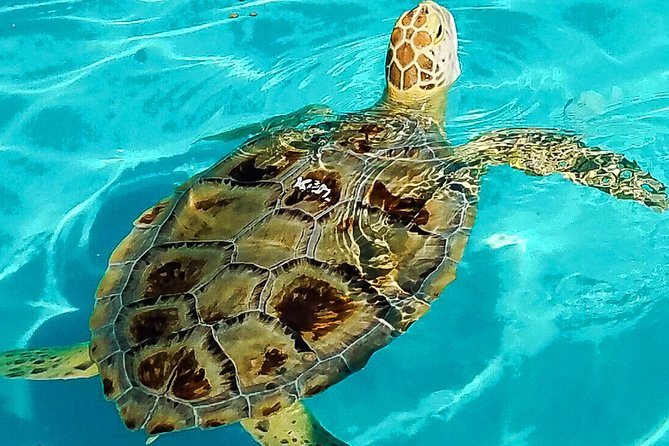
The Turtle Hospital visit is the heart of the day. This is described as the world’s only certified turtle hospital and a state-certified veterinary hospital for sea turtles, run as a non-profit that rehabilitates injured turtles (up to 70 per year) and releases them back into the wild.
Expect a 90-minute guided walking tour inside the working hospital and rehabilitation area. The guiding focus is practical and educational: you’ll see recovering and resident turtles, learn about their habits, and hear about life-saving procedures used in rehab. It’s not a “look but don’t touch” style setup. You get educational discussion and a behind-the-scenes feel, all delivered by the people running the work.
This stop is also the strongest argument for why the tour is worth the money. Many tours give you a wildlife attraction. This one gives you a conservation center with real operations and a guided path through the rehab space.
If you care about animals but hate feeling like you’re watching something sad from a distance, this visit can strike a better balance. The tone is about rescue and recovery, and you’re learning the steps that lead to release.
Practical note: you may see equipment, tanks, and areas that look busy behind the scenes. Wear clothing you’re comfortable in, and if you have concerns about odors or indoor conditions, take it in stride—this is a working facility.
For a guide reference, one of the strengths I like from this tour’s past experience is how the guiding style can feel friendly and human. A local guide named Troy is noted for being easy to talk to and very knowledgeable on the ride, and that kind of rapport matters when the hospital information is detailed.
Food, snacks, and keeping your energy steady until 4:00 pm
The day is long enough that food planning becomes part of the experience. Here, lunch is included, and so are snacks plus bottled water and canned sodas during the drive. That takes the pressure off. You’re not hunting for a place to eat at the last second, and you’re not forced to choose between wasting time or spending more.
Alcoholic beverages are not included, so if you want drinks beyond soda, you’ll need to plan that on your own. Also, there’s a vegetarian option, but gluten-free lunch options aren’t provided. If you have strong dietary needs, mention them when booking so the team can set you up appropriately.
Timing-wise, you end with a return to your Key West hotel around 4:00 pm. That means you’ll likely want an early dinner after you’re back, especially if you’re coming from the airport or stacking other plans that evening.
What to bring: shoes, sun, and the small things that prevent misery
Because this tour includes short walks on uneven surfaces, you’ll enjoy the day more with the basics done right. Wear walking shoes you trust on sand and uneven ground.
Bring:
- sunscreen and a hat (Florida sun is real even when it’s breezy)
- sunglasses (bridge-and-beach reflections can be bright)
- a light layer for the van ride if you run cold
You’ll spend time outdoors at Bahia Honda and around the refuge areas, so heat comfort matters. The tour also runs subject to favorable weather. If conditions are severe, the operator can cancel or divert.
There’s also a handy weather contingency: if Turtle Hospital cancels due to hazardous weather, the tour diverts to Florida Keys Aquarium Encounters. So you still get a meaningful animal-focused experience, even if conditions don’t allow the hospital visit.
Price and value: what you get for $149 per person
At $149 per person, this is not a bargain-basement excursion. But it’s also not just a long drive with a couple of quick stops. The price includes:
- hotel pickup and drop-off
- transportation in an air-conditioned van
- all entrance fees
- lunch plus snacks, bottled water, and canned sodas
- guided commentary
That package value adds up when you’re comparing against paying entrance tickets separately and then also factoring in lunch and transport. You’re basically buying one organized day instead of three separate stops you still have to coordinate.
Group size also matters. When the cap is around 13 travelers, you usually get better access to the guide and more time for the key stops to feel like experiences, not checkboxes.
One more practical point: free cancellation is offered up to 24 hours in advance. That’s useful for Keys weather planning, where you can’t always predict day-of conditions.
Who this tour suits best (and who might want to rethink it)
This is a strong fit if you want:
- a turtle-focused day that’s educational, not just a photo op
- a structured way to see multiple Lower Keys highlights from Key West
- a guided day with lunch and snacks handled
It’s especially good for people who like nature but also enjoy history and context—bridges, historic sites like the Seven Mile area, and the Bat Tower stop add variety.
Consider skipping (or at least managing expectations) if you:
- expect guaranteed wildlife sightings at the refuge (the tour provides chances, not certainty)
- don’t like road-heavy days with bridges and driving time (this is a drive-and-stops format)
- have limited comfort with short walks on uneven surfaces
Should you book this Turtle Hospital and Lower Keys day trip?
If you’re staying in Key West and you want one efficient day that combines Turtle Hospital, a standout state park stop, and wildlife viewing in the Lower Keys, I’d book it. The big reason is value: entrance fees, lunch, snacks, and guided transport are wrapped into the price, so your day runs smoothly from pickup to return.
The only reason not to book is if your priority is a slow, minimal-travel day. This tour moves, and the outdoors time includes short walking stretches. If you’re okay with that trade-off, this is a practical, meaningful way to see more than just beaches while you’re in the Keys.
FAQ
What time does the tour start, and when does it end?
The tour starts at 9:00 am with hotel pickup in Key West and returns to your hotel around 4:00 pm.
How long is the trip?
The total duration is about 6 hours 30 minutes.
What’s included in the $149 per person price?
The price includes hotel pickup and drop-off, live commentary, a local guide, transportation in an air-conditioned van, all fees and taxes, bottled water, lunch, and snacks.
Is lunch included, and are there options for dietary needs?
Lunch is included, with choices such as sandwiches, burgers, or pizza, and there is a vegetarian option available. Gluten-free lunch options are not provided.
What happens if Turtle Hospital can’t operate due to hazardous weather?
If Turtle Hospital cancels due to hazardous weather, the tour diverts to the Florida Keys Aquarium Encounters.
Is there walking involved?
Yes. You’ll do short walks on uneven surfaces, so wear walking shoes. The Turtle Hospital portion includes a guided walking tour of the facility.
More Key West Day Trips
More Key West Tour Reviews



More Trips down the Keys


Fresh Off the Dock: The Newest Key West Reviews



Dry Tortugas & Lower Keys Day Trips, compared.
 ★ 4.5Dry Tortugas National Park Day Trip by Catamaran from Key WestFrom $220433 reviews
 ★ 5.0Private Looe Key Snorkel from Big Pine KeyFrom $575431 reviews
 ★ 4.6Key Largo: Snorkeling TripFrom $80149 reviews
 ★ 5.0Florida Keys Nature & History Tour from Key WestFrom $109110 reviews
 ★ 5.0Parasail Adventure in MarathonFrom $12058 reviews
 ★ 5.0Marathon: Historic 7-Mile Bridge Sunset CruiseFrom $12455 reviews
 ★ 4.7Full Day Tour of Key West National Wildlife RefugeFrom $11950 reviews
 ★ 4.5Marathon Key: 3-hour Snorkeling adventure on a Pontoon at Sombrero ReefFrom $8947 reviews
Browse the lists this tour appears in