
Reviewed · MANGROVE KAYAK & PADDLEBOARD ECO TOURS
Florida Keys Backcountry Eco Tour from Big Pine Key
Mangroves hide wildlife on every turn. This Florida Keys backcountry eco tour from Big Pine Key is interesting because you spend your time where the action happens: slow cruising through mangroves and refuge islands, with regular chances to spot birds and marine life. I like that it’s a private boat day (up to 4), so you’re not stuck in a crowd. I also like the clear eco focus, with stops built around nesting birds and Gulf-side waters. One thing to consider: good weather really matters, and wind or rain can affect comfort and the timing.
Captain Brian sets the tone with calm, flexible guiding, and I love that the day can adjust to what the water and sky are doing. The route stays efficient at about 2 hours, so you get a high-concentration taste of the lower Keys without burning the whole day. If you’re hoping for a long, all-day expedition, this is shorter than that—but it’s also easier to fit into a weekend plan.
From the mangrove edges to the Great White Heron Wildlife Refuge, you’ll get steady variety: birds, birds, then more birds, plus the chance for turtles, rays, dolphins, and even sharks depending on conditions. You’ll also end with a classic photo moment at Bahia Honda Bridge and a story about Flagler’s Railway. Come prepared for a boat ride in the Keys, and you’ll leave with a stronger feel for this place than you’d get from just driving past.
In This Review
- Key Highlights You’ll Feel Right Away
- Why This Florida Keys Backcountry Tour Works in 2 Hours
- Big Pine Key Logistics: Where You Meet and How the Day Feels
- Stop 1: Gulf-Side Mangroves and Wildlife Watching at a Slow Pace
- What to watch for (so you actually see things)
- A potential drawback
- No Name Key and the Small Island Hop: Crawl Key, Little Pine Key, Water Keys
- What I’d suggest you bring
- Possible downside to know early
- Great White Heron Wildlife Refuge: Birds on the Nesting Grounds
- How to get more out of this stop
- Trade-off to consider
- Bahia Honda Bridge Photo Stop and Flagler’s Railway Story
- If you’re traveling with kids or first-timers
- Captain Brian’s Style: Flexibility and Wildlife Etiquette
- Price and Value: What $425 per Group Really Means
- Who This Tour Fits Best (and Who Might Want Something Else)
- Should You Book This Florida Keys Eco Tour?
- FAQ
- FAQ
- How long is the Florida Keys backcountry eco tour?
- What is the price for this private tour?
- Where does the tour start?
- Is this tour private or shared?
- What sights are included during the tour?
- What wildlife can you look for?
- What language is the tour offered in?
- Do I need a printed ticket?
- When will I get confirmation after booking?
- What is the cancellation policy?
Key Highlights You’ll Feel Right Away
- Private group size (up to 4): more quiet time to watch wildlife without sharing your view with strangers.
- Slow backcountry pace: designed for noticing details like bird activity and movement under the mangroves.
- Great White Heron Wildlife Refuge focus: a birds-on-the-nesting-ground kind of stop.
- Wildlife scouting beyond birds: mangroves and open pockets where turtles, rays, dolphins, and sharks may show up.
- Bahia Honda Bridge photo stop: a memorable landmark with a clear historical thread (Flagler’s Railway).
Why This Florida Keys Backcountry Tour Works in 2 Hours
This is a smart-length tour for people who want nature time without turning your day into a full logistics project. About 2 hours is long enough to travel into the backcountry, move between island areas, and still have time to slow down and actually look. It’s also short enough that you can pair it with other Keys favorites the same day.
The biggest reason it works is the structure. You’re not doing one big drive-by stop. The itinerary is built like a loop of habitats: mangroves on the Gulf side, smaller island pockets, a refuge area known for nesting birds, and then a landmark photo stop. That means your brain keeps getting rewarded: you shift from waterline wildlife to mangrove scenery to birds in refuge territory, and then to a clear payoff at Bahia Honda Bridge.
I also like the pacing philosophy implied by the plan. The route is guided to go slow, because wildlife spotting rarely works at car speed. You’ll spend more time watching behavior than chasing a checklist.
Paddle deeper into the mangrove tunnels


Big Pine Key Logistics: Where You Meet and How the Day Feels
You meet at 33000 Overseas Hwy, Big Pine Key, FL 33043, and the tour ends back at the same point. That simplicity matters. Fewer transfers mean more time outdoors, and you’re not trying to coordinate pickup at the end of the day when you’re already thinking about getting back to dinner.
It’s a private tour/activity, so only your group participates. In practice, that usually means you can ask more questions and get more targeted attention when someone in your group is focused on birds or marine life. The tour is offered in English, and you’ll have a mobile ticket.
One more planning note: it’s typically booked around 17 days in advance on average, so if you’re traveling during peak season or on a weekend, it’s worth grabbing a slot early.
Stop 1: Gulf-Side Mangroves and Wildlife Watching at a Slow Pace
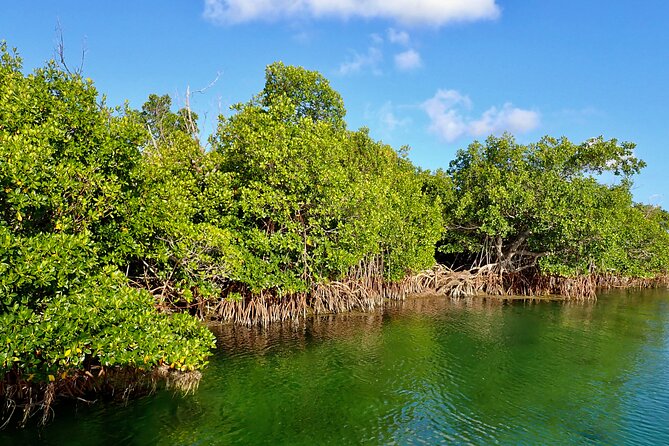
The first segment is all about the mangroves on the backcountry Gulf side of the Keys. This is where you’ll feel the “eco tour” part most clearly. Mangroves are busy ecosystems: they create shelter, food edges, and calm water zones that attract both birds and marine life.
Here’s what the itinerary is aiming for: you’ll cruise slowly and look for a range of sightings such as a turtle or a ray, and possibly dolphins or even sharks depending on what’s moving that day. That variety matters. Even if you don’t get a turtle, you can still walk away with something real—like birds feeding overhead or movement just under the surface.
What to watch for (so you actually see things)
- Bird patterns over the treetops: when birds suddenly shift direction, it often means something is happening in the water or along the edge.
- Quiet surface changes: rays and some marine animals don’t always announce themselves; you’re looking for subtle movement and timing.
- Behavior, not just presence: dolphins are more likely to be visible when they’re traveling or playing, not just sitting out of view.
A potential drawback
Because this start depends on animal activity and water conditions, you might not see everything you’re hoping for. The good news is the tour is designed to keep you hunting across habitats, not fixating on one moment.
More day trips down the Overseas Highway




No Name Key and the Small Island Hop: Crawl Key, Little Pine Key, Water Keys
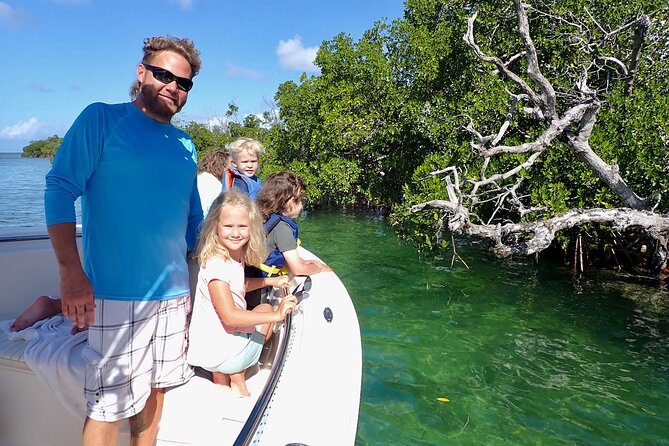
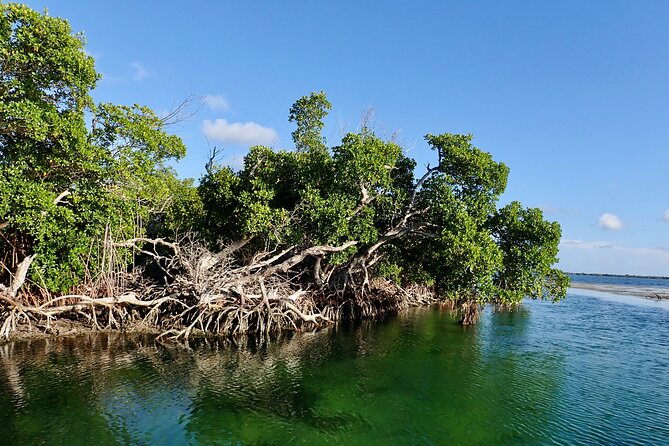
Next, you’ll cruise past No Name Key and head toward smaller mangrove islands such as Crawl Key, Little Pine Key, and the Water Keys. This part is about variety and access to the kind of tight waterways that bigger trips often skip.
Small islands are often the sweet spot for wildlife because you get more edge habitat—places where water, shade, and feeding zones overlap. Mangroves create a natural boundary, and the boat’s slower pace helps you notice changes along that boundary.
If you’re a photographer, this section gives you more than just one standard angle. You’ll be able to change your perspective as the boat works through channels and sheltered areas. Even when animals are hard to spot, the mangrove scenery and bird silhouettes can still give great results.
What I’d suggest you bring
- A phone or camera with a charging option. You might want extra battery for bird photos and bridge shots later.
- Light layers and sun protection. Even in cooler months, the Keys sun plus boat wind can dry you out fast.
Possible downside to know early
Small island routes can feel a bit wind-sensitive, especially if the day is breezy. One of the best parts of this tour is also the thing that requires patience: slowing down to watch, even when wind makes everything feel more dynamic.
Great White Heron Wildlife Refuge: Birds on the Nesting Grounds
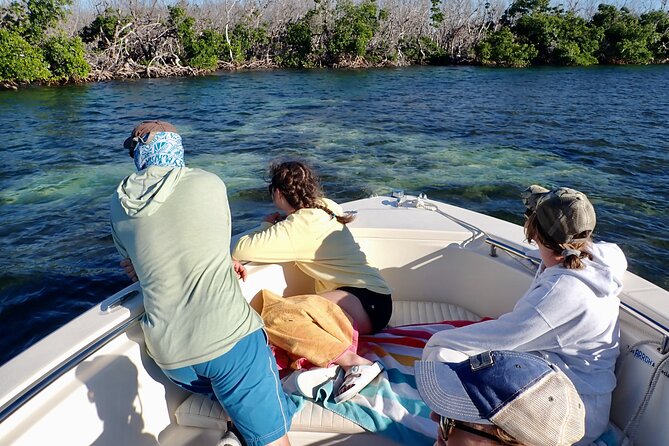
The itinerary’s refuge stop is a big deal: you explore mangrove islands of the Great White Heron Wildlife Refuge, a nest ground for birds including Ibis, Great White Heron, Egret, and Pelican.
This is where the eco focus becomes very concrete. Instead of generic wildlife cruising, you’re going to a known bird area where the habitat supports nesting behavior. That tends to increase the odds of seeing birds at work—standing, feeding, and watching the same spaces again and again.
How to get more out of this stop
- Look for stillness first. Many wading birds feel motionless until you get close enough to notice subtle head turns.
- Watch the timing of groups. When you see one bird shift, nearby birds often respond.
- Don’t ignore the smaller birds. The ibis and egrets can be easier to miss than the bigger birds, but they’re often very active along edges.
In the tour’s vibe, this refuge stop feels like a birdwatching session built into a boat day. You’re still moving, but the goal is to slow down when the birds are showing themselves.
Trade-off to consider
Bird days can be unpredictable. Refuge habitat helps, but you’re still dealing with real wildlife. Some days give you dramatic shows; other days are quieter with smaller sightings. The structure of the tour helps because you’re not trapped in only one outcome.
Bahia Honda Bridge Photo Stop and Flagler’s Railway Story
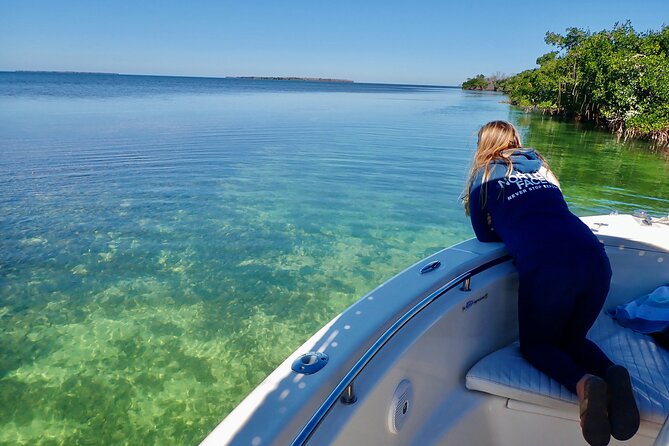
After the refuge and island cruising, you’ll see the famous Bahia Honda Bridge. This is your photo-friendly finish, with a chance to get shots that feel distinctly Keys: bridge silhouette, water views, and that classic Florida coastal geometry.
The tour also explains the story of Flagler’s Railway. Even if you’re not a history nerd, this is the kind of short context that makes the scenery stick in your head. You’re seeing an iconic landmark, and you’re also getting a reason it exists.
Why this matters for value: it’s not just a photo stop. It’s a bridge between the natural and human stories of the Keys, tying today’s waterways to older transportation ambitions in Florida.
If you’re traveling with kids or first-timers
This is a nice anchor moment. Wildlife spotting can be patient, and not everyone loves waiting for the perfect sighting. A bridge photo stop gives a clear, easy win that keeps momentum high.
Captain Brian’s Style: Flexibility and Wildlife Etiquette
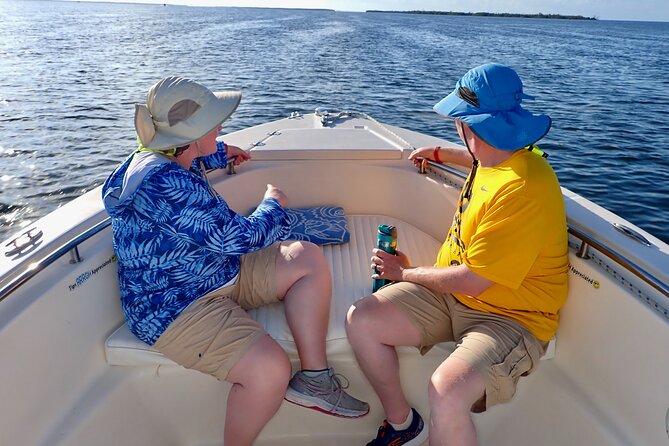
The experience is strongly shaped by the captain’s approach. I love that Captain Brian (spelled as Bryan in one note) comes across as calm and patient, with the confidence to adjust when the day changes. If it rains, the start time may shift to improve the experience. If it’s breezy, the goal stays the same: keep moving thoughtfully and look for wildlife without rushing.
One of the best-supported parts of the day is the wildlife behavior you can get when the captain pays attention. There’s a particular kind of thrill when dolphins show up in a pod and you get to watch how they interact with the boat while staying careful and slow. The tour’s mission of going slow helps here, because wildlife reacts better when you’re not chasing it.
You also get a sense that the tour can be modified to match your goals and the weather. That’s a big deal for a short, 2-hour experience. If you’re more bird-focused, you benefit from extra time where birds are active. If you’re chasing marine sightings, the captain keeps the search moving through the right habitat windows.
Price and Value: What $425 per Group Really Means
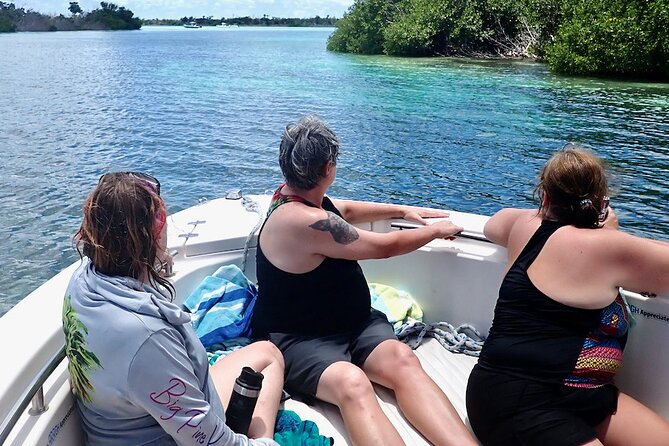
The price is $425 per group, up to 4 people, for about 2 hours. That’s not a budget price, but it can be fair value in the right situation because it’s private and boat-based.
Here’s the simple math:
- If you fill all 4 spots: about $106 per person
- If you book for 2 people: about $212 per person
That’s where private tours win. If you’re traveling as a small group or as a family unit, the cost becomes easier to justify. If you’re traveling solo or as a couple, you’re paying for privacy, so you’ll want to be confident that wildlife and mangrove scenery are your priorities.
What you’re paying for is not only transportation. You’re paying for local scouting, a slower wildlife-focused pace, and the ability to move between the mangroves, refuge islands, and the Bahia Honda Bridge area without wasting time.
Who This Tour Fits Best (and Who Might Want Something Else)
This tour is a great fit if you:
- Want a nature-first experience instead of a sightseeing drive
- Enjoy birds and want a refuge stop built around nesting areas
- Like the idea of spotting wildlife in motion, not just viewing from afar
- Prefer a private setting where questions and attention stay with your group
It’s also a solid option for families because it’s structured, short, and focused. Kids typically do well when there’s a running “look for this” mission, like birds on the refuge stop or marine life during the mangrove cruising.
Who might not love it:
- If you want a long, do-everything adventure all day, the 2-hour format may feel too brief.
- If you’re extremely sensitive to wind or weather, you should remember that the experience requires good weather, and conditions can influence comfort and timing.
The sweet spot is a weekend or mid-trip add-on where you want real Keys nature without giving up your whole day.
Should You Book This Florida Keys Eco Tour?
If your trip includes Big Pine Key and you want a short, high-quality dose of backcountry wildlife and mangrove habitat, I think this is a strong yes. The itinerary is built around habitats that make sense: Gulf-side mangroves, smaller island channels, a birds-focused refuge, then a memorable landmark photo stop. The private group format makes the whole thing feel more personal, and Captain Brian’s flexible approach helps you stay happy when the day is a little windy or wet.
I’d book it if you’re excited by the idea of seeing birds like ibis, herons, egrets, and pelicans, and you’d be thrilled by the chance of marine life like turtles, rays, or dolphins. If you’re okay with wildlife being unpredictable, this tour matches your mindset.
Skip it (or consider a different length/style) if you need an all-day experience, or if you’re likely to be miserable on a boat when the weather turns.
FAQ
FAQ
How long is the Florida Keys backcountry eco tour?
The tour runs for about 2 hours.
What is the price for this private tour?
It costs $425.00 per group, up to 4 people.
Where does the tour start?
You meet at 33000 Overseas Hwy, Big Pine Key, FL 33043, USA.
Is this tour private or shared?
This is a private tour/activity. Only your group participates.
What sights are included during the tour?
The itinerary includes mangrove exploration on the Gulf side, cruising past No Name Key and visiting smaller mangrove islands, exploring the Great White Heron Wildlife Refuge, and a photo stop for Bahia Honda Bridge with a story about Flagler’s Railway.
What wildlife can you look for?
You’ll look for marine life and birdlife, with chances to spot a turtle or ray, and also dolphins or sharks depending on conditions. The refuge stop is known for birds such as ibis, Great White Heron, egret, and pelican.
What language is the tour offered in?
The tour is offered in English.
Do I need a printed ticket?
No. It’s listed as a mobile ticket.
When will I get confirmation after booking?
You should receive confirmation within 48 hours of booking, subject to availability.
What is the cancellation policy?
Free cancellation is available. You can cancel up to 24 hours in advance for a full refund; canceling less than 24 hours before the start time is not refundable. The experience requires good weather, and if it’s canceled due to poor weather you’ll be offered a different date or a full refund.
More Key West Tour Reviews
More Trips down the Keys

More Mangrove Paddles


Fresh Off the Dock: The Newest Key West Reviews

Mangrove Kayak & Paddleboard Eco Tours, compared.
 ★ 5.0Key West Mangrove Kayak Eco TourFrom $802,205 reviews
 ★ 5.0Half-Day Trip from Key West with Kayaking, Snorkeling & SunsetFrom $1151,683 reviews
 ★ 4.5Key West Dolphin Watch and Snorkel Tour – Eco AdventureFrom $791,163 reviews
 ★ 5.0Key West Full-Day Ocean Adventure: Kayak, Snorkel, SailFrom $152767 reviews
 ★ 4.6Dolphin Watching and Snorkeling Eco Cruise TourFrom $79757 reviews
 ★ 5.0Guided Clear Kayak Eco-Tour Near Key WestFrom $79656 reviews
 ★ 4.5Key West’s Island Adventure Sandbar Tour with KayakingFrom $119593 reviews
 ★ 5.0Key West Sandbar Charter With Kayak Tour: Includes Lunch & DrinksFrom $149303 reviews
Browse the lists this tour appears in